






The widespread damage from last year’s catastrophic flooding stemmed not only from the breaching of publicly maintained levees in Nebraska but also from the breaching of dozens of privately maintained ones. The call to inventory these private structures, as part of state leaders’ deliberations on how to strengthen Nebraska flood protection, is sound.
Rich Tesar, a member of the board of directors for the Papio-Missouri River Natural Resources District, is right that these privately owned structures “have a profound impact on public safety.”
Nebraska has never before had to confront the problem of private levee repairs on this scale, and there’s confusion about the number of such structures as well as a lack of information on possible funding support.
“Everybody’s kind of looking at each other — we know something has to be done, but how are we going to do it?” says John Winkler, general manager of the Papio-Missouri NRD. “We don’t even know the full extent of the damage.”
There’s no easy answer on how to pay for the repairs of private levees, which is the obligation of the owners. The costs are high enough for the publicly maintained ones. But as a first step it’s important to understand the number and locations of Nebraska’s private levees, since they contribute significantly to flood protection and since the state may be heading toward another round of major flooding this spring.
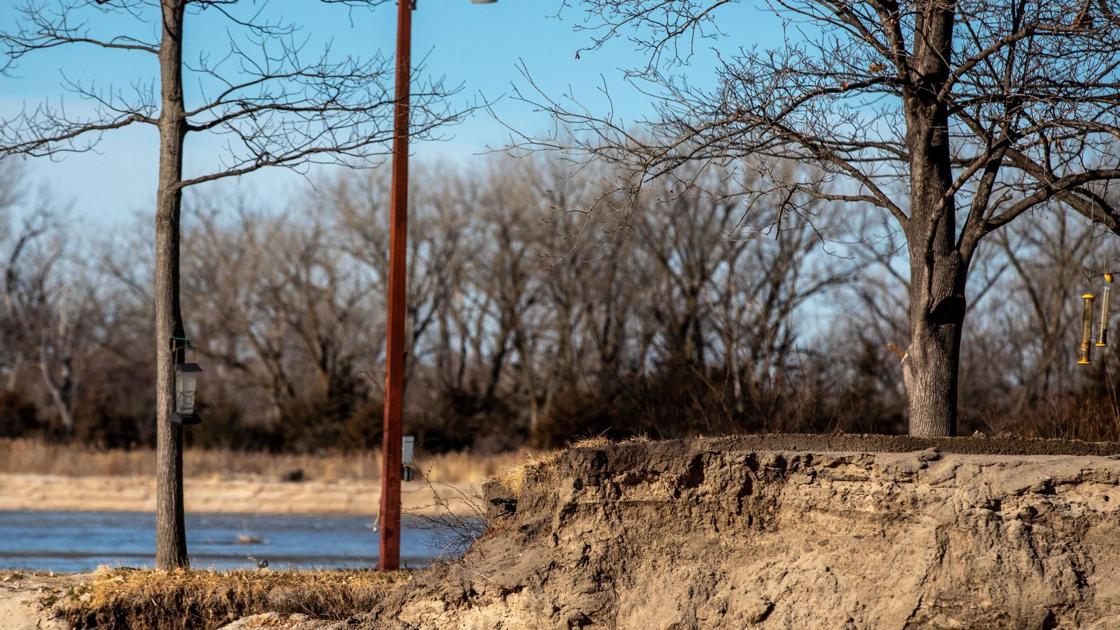
Reporting this week by The World-Herald’s Erin Duffy showed the flood destruction in western Douglas County from the failure of a private levee.
It’s encouraging that Nebraska’s natural resources districts have already been working with the state Department of Natural Resources to begin to identify private levee systems. A broader effort bringing together all key players is needed to develop coordinated information-gathering and strategy development.
Perhaps a state task, as proposed by State Sen. Bruce Bostelman of Brainard, would be the best vehicle for the task. However it’s structured, such an effort is imperative.
As events have now made clear, understanding the private levee situation and having a coordinated policy toward it is a needed part of Nebraska’s overall flood prevention.










