







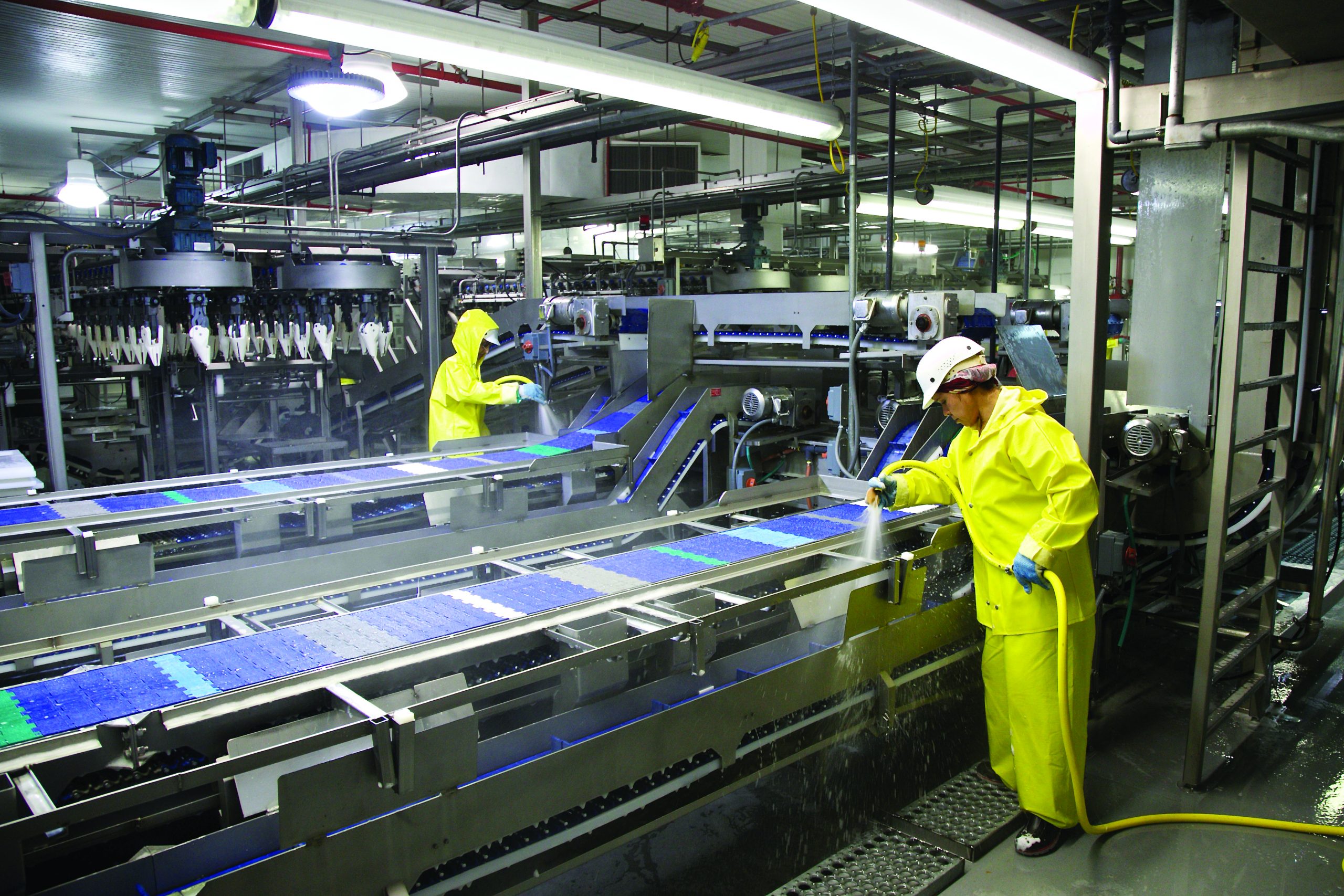
Food safety is the responsibility of everyone in the beef supply chain, says Josh White, executive director of producer education and sustainability for the Denver-based National Cattlemen’s Beef Association, a contractor to the Beef Checkoff.
And, he says, it all starts at the ranch level. For more than 30 years, U.S. beef producers have participated in the Beef Check-off funded, Beef Quality Assurance (BQA) program, an educational program aimed at ensuring that animals, the environment and consumers are well cared for within government guidelines and regulations.
“BQA provides systematic information to farmers and ranchers on how practical cattle production methods, including optimum management and care, can improve the quality and safety of beef,” White says.
While beef farmers and ranchers have been committed to raising cattle the right way, the BQA program had been entirely producer facing until October, when the association introduced consumers to the program via an integrated marketing and communications campaign from its famous “Beef. It’s What’s For Dinner” campaign.
“It brings the BQA program to life by highlighting how cattle farmers and ranchers across the country raise cattle under BQA guidelines,” White says.
According to market research, the majority of consumers say they consider how and where their food is raised when making a meal.
With 85% of beef produced in the U.S. coming from a farmer or rancher who has been BQA certified, White characterizes the decision to introduce consumers to the program — and thereby sharing the ongoing commitment of cattle farmers and ranchers to their animals and providing the safest and highest quality beef possible — as “an obvious decision.”
Of course, producers are just the first step in the food safety process. All along the fresh beef supply chain, industry partners are committed to ensuring the health of the meat they supply to consumers, says Mandy Carr Johnson, the association’s executive director of science, culinary and outreach.
Safe meat = delicious meat
Westminster, Colorado-based Niman Ranch’s food safety best practices start on the farm and continue until the product reaches the consumer’s plate, says Russ Smoke, the company’s vice president of processed meats.
“It’s foundational to everything we do and provides piece of mind for our customers and farmers alike,” Smoke says.
All of the 740 small and mid-sized independent farms in Niman Ranch network’s are required to follow strict protocols ensuring that their livestock are raised naturally and safely to produce healthy animals.
“We believe that healthy animals, raised with care and able to exhibit their natural instincts, result in delicious, wholesome and safe meat,” he says.
 That close attention to the level of care and safety on the farm continues in Niman Ranch’s USDA inspected processing facilities, Smoke adds. In addition to following USDA requirements, for the past three years the company has added Global Food Safety Initiative Certification to further ensure it provides the safest and best quality products to its customers.
For added safety, Niman Ranch also uses high pressure processing (HPP) for its deli sliced meats and ham steaks. HPP uses an all-natural high pressure, purified cold-water process to neutralize food-borne pathogens to produce a safer product without preservatives, chemicals or high heat. It doesn’t alter food taste or product texture and provides a high degree of product protection.
“At Niman Ranch, we’re intently focused on serving our customers the safest, most delicious product that was raised humanely and sustainably,” Smoke says. “This is our responsibility to our farmers and consumers.”
Research fuels innovation
Through research conducted on behalf of the Beef Checkoff, innovations in beef processing, for instance, have continued to evolve, Johnson says. Throughout the processing phase of production, what Johnson calls a “multiple hurdle approach” in interventions and process controls have been put into place to reduce the likelihood a pathogen will reach the final product.
“As a contractor to the Beef Checkoff, the National Cattlemen’s Beef Association uses the dollars of beef farmers and ranchers to increase demand for beef through various initiatives such as consumer advertising, marketing partnerships, public relations, education and research,” she says.
According to market research, 82% of consumers consider food safety while preparing a protein at home, making it vital to educate consumers on beef safety.
In addition to efforts through the “Beef. It’s What’s For Dinner” brand, which is funded by beef farmers and ranchers, another way producers communicate to their customers is through advocacy, Johnson says.
“When real beef producers share their dedication to raising beef in a responsible and sustainable way, consumers can put a face to the hard work that goes into bringing beef from pasture to plate,” she says.
Since “Beef. It’s What’s For Dinner” relaunched more than two years ago, the brand has reached more than 1 billion consumers with content showcasing real beef.
While that’s definitely a significant milestone, what really stands out, Johnson says, is the fact that according to market research, when people are aware of the “Beef. It’s What’s For Dinner” brand, they are more likely to eat beef more often and feel good about purchasing and preparing beef for their families.
Additional market research shows that 71% of consumers agree that beef is safe to eat. And the balance of those surveyed don’t necessarily think beef is unsafe – most of them are in the “neutral” category.
As good as the industry’s efforts have been, there’s always room for improvement. Johnson says beef producers and their industry partners throughout the supply chain continue to invest in research to improve the safety of beef. From pre-harvest processes or feed ingredients to in-plant interventions, the beef industry, she says, is always innovating.
“The safety of America’s beef supply is the number one priority for all segments of the beef industry,” Johnson says.
To further emphasize that commitment, the Beef Checkoff funds the Beef Safety Research program, which includes the study of cattle-borne pathogens, their potential for antimicrobial resistance and ways to reduce them.
“By investing in this research, the Beef Checkoff’s objective is to not only maintain consumer confidence in beef as a safe and wholesome food, but to also identify strategies and technology to continuously improve the safety of beef and beef products from farm to table,” Johnson says.
Raising the bar
Arkansas City, Kansas-based Creekstone Farms has always had a laser focus on quality, and a huge part of that is food safety, says Gaylan Schroeder, the company’s food safety and quality assurance manager.
“Our plant is virtually unmatched in terms of animal welfare, safety controls and sanitation measures,” Schroeder says. “As new science and interventions develop, we look at those practices and incorporate those best practices into our standard operating procedures.”
Creekstone is transparent with its customers and end users about how it does food safety testing and the science behind it, adds Ken Robinson, the company’s vice president of food safety and quality assurance.
“The American meat industry is one of the most regulated industries in the world and I think consumers can be confident that our beef products are the safest in the industry,” Robinson says.
Beef plants are required to have USDA inspectors present in the plant every day, on the line, inspecting for the entire shift. There are online inspectors who have extensive training in pathology and offline inspectors who go through rigorous Inspection Methods Training focused on pathogen reduction and food safety interventions. Both inspector groups participate in mandatory continuing education throughout their careers.
“As a company, we have our own Quality Assurance Inspectors, making sure that we are following all of our internal programs and these QA inspectors work closely with USDA so there is continual oversight to make sure we are adhering to the practices we have developed.”
Within the industry, people generally understand food safety measures, but every time a new program comes around, education is required. Robinson says Creekstone is up front about that and transparent.
“With any new processes that are implemented, we develop communication to our customers so they understand the process and we are open to answer any questions they may have,” he says. “On the consumer side, not every consumer is going to understand the science behind what we do at the processing level or even store level. I believe the fact that most people don’t have to think about it is a testament to the safety of our products.”










