






Key point: The trend in aviation today is for fuel-efficient passenger and cargo jets that can operate cheaply.
In mankind’s perpetual obsession with the idea that bigger is better, the Soviet Union was tops.
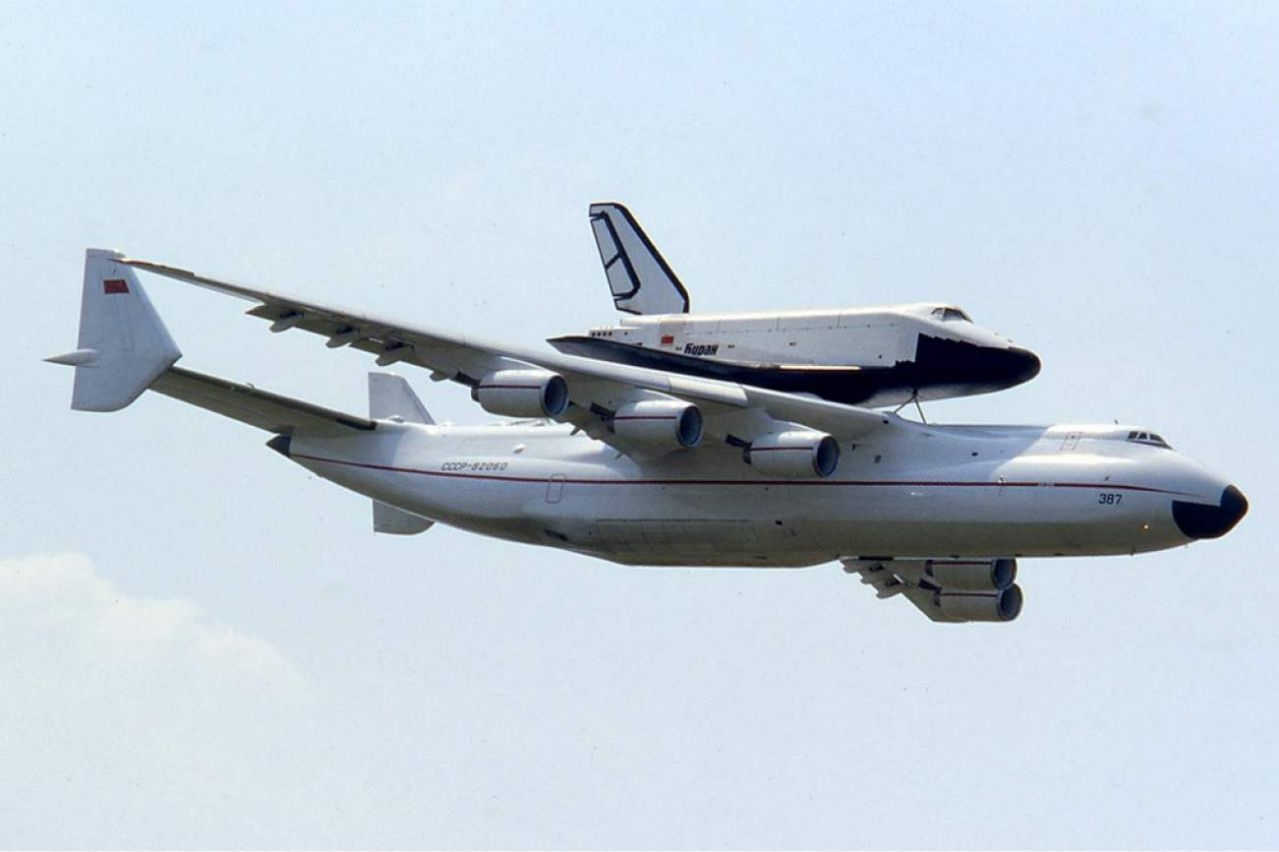
Case in point: the AN-225 Mryia, the world’s biggest cargo jet. Only one Mriya (Ukrainian for “dream”) was ever built by the Soviet Union, while a second rests unfinished in a Ukrainian warehouse, possibly to be flown by China.
The specifications of this load-bearing monster are impressive. The six-engined Mryia is 275 feet long and 59 feet high, with a wingspan of 290 feet (the legendary Boeing 747-8 has a wingspan of only 224 feet, while the U.S Air Force’s giant C-5 Galaxy had a wingspan of 223 feet). Weighing in 314 tons empty and with a maximum takeoff weight of 640 tons, it can carry 250 tons of cargo and has a maximum range of 10,000 miles. With a maximum speed of 530 miles per hour, it is a relatively fast aircraft.
From Howard Hughes’ Spruce Goose to the XB-70 Valkyrie bomber, the fate of giant airplanes has often been less than happy. The AN-225 is no exception. It was conceived as a weapon of the Space Race, a flying mule for the Soviet Union’s Buran space shuttle. just like NASA’s modified 747 airliner that ferried America’s Space Shuttle piggybacked on the roof.










