


• Latest
  • Trending
  • All
7 steps to cut your practice’s medication management burden

7 steps to cut your practice’s medication management burden

March 5, 2020
Last Mile Delivery Market Worth Observing Growth | UPS, FedEx, SF Express

Last Mile Delivery Market Worth Observing Growth | UPS, FedEx, SF Express

April 23, 2024
Top 5 Spend Analysis Software ranked in 2024

Top 5 Spend Analysis Software ranked in 2024

March 1, 2024
How Tesla And BMW Are Leading A Supply Chain Renaissance With Blockchain

How Tesla And BMW Are Leading A Supply Chain Renaissance With Blockchain

January 19, 2024
LATAM Cargo strengthens European cargo links

LATAM Cargo strengthens European cargo links

April 14, 2020
Ford making reusable hospital gowns from airbag materials as efforts against coronavirus expand

Ford making reusable hospital gowns from airbag materials as efforts against coronavirus expand

April 14, 2020
Don’t Sweat NBC’s Decision to Cut Back on Television Ad Inventory

Don’t Sweat NBC’s Decision to Cut Back on Television Ad Inventory

April 14, 2020
Software firms sharpen focus on AI, big data as IT spending drops

Software firms sharpen focus on AI, big data as IT spending drops

April 14, 2020
Navigating turbulent times in your supply chain (TL:DR version)

Navigating turbulent times in your supply chain (TL:DR version)

April 14, 2020
Last Mile Delivery by Drones Market is Booming Worldwide

Last Mile Delivery by Drones Market is Booming Worldwide

April 14, 2020
AIR CARGO MARKET SIZE, SHARE, DEMAND, TREND, LATEST INNOVATIONS & APPLICATION ANALYSIS AND INDUSTRY GROWTH FORECAST 2027 – Science In Me

AIR CARGO MARKET SIZE, SHARE, DEMAND, TREND, LATEST INNOVATIONS & APPLICATION ANALYSIS AND INDUSTRY GROWTH FORECAST 2027 – Science In Me

April 14, 2020
Wheat procurement in Patiala: 6,500 coupons issued to farmers – cities

Wheat procurement in Patiala: 6,500 coupons issued to farmers – cities

April 14, 2020
Pandemic, Plastics And The Continuing Quest For Sustainability

Pandemic, Plastics And The Continuing Quest For Sustainability

April 14, 2020
  • Supply Chain
  • Logistics
  • Warehousing
  • Procurement
  • Shipping
  • More
    • Strategic Sourcing
    • Spend Analysis
    • Inventory
    • Contact Us
No Result
View All Result
United States International Supply Chain Commission
Home Procurement

7 steps to cut your practice’s medication management burden

by usiscc
March 5, 2020
in Procurement
0
7 steps to cut your practice’s medication management burden
492
SHARES
1.4k
VIEWS
Share on FacebookShare on Twitter

More than 133 million Americans have a chronic condition that requires long-term medication therapy, and more than half of us ingest four prescription drugs daily. These regimens are complicated by patients receiving prescriptions from multiple physicians while also taking over-the-counter medications.

In just a short office visit, physicians must reconcile these medications, make sure they’re being taken as prescribed and that prescriptions are refilled on schedule.

These tasks can be efficiently managed, however, through simplification, standardization and automation. A new AMA STEPS Forward™ module, “Medication Management: Save Time by Simplifying Your Prescribing and Refill Process,” describes the components of a successful intervention, including:

  • Adjustments to practice workflows.
  • Creating and streamlining processes for reconciling medications.
  • Ensuring that individuals are using the electronic health record (EHR) to its full potential.
  • Having open dialogues with patients about adherence and with pharmacist colleagues about how to make the process easier for everyone.

The AMA STEPS Forward open-access modules offer innovative strategies that allow physicians and their staff to thrive in the health care environment. These modules can help you prevent physician burnout, create the organizational foundation for joy in medicine and improve practice efficiency.

The CME module is enduring material and designated by the AMA for a maximum of 0.5 AMA PRA Category 1 Credit. Learn more about AMA CME accreditation.

The module is part of the AMA Ed Hub™, an online platform with top-quality CME and education that supports the professional development needs of physicians and other health professionals. With topics relevant to you, it also offers an easy, streamlined way to find, take, track and report educational activities.

By following the seven steps outlined in this free online module, practices can implement a medication management process that:

  • Reduces medication errors.
  • Improves patient safety.
  • Promotes better health outcomes.
  • Eases clinician workload.
  • Mitigates burnout by addressing aspects of medication management that overburden clinicians.

Here’s how to get it done.

Adopt annual synchronized prescription renewals and standing orders. Eliminating frequent prescription renewals for chronic conditions is the first step to improving medication management. Hours can be saved every day by writing prescriptions so that a patient receives a 90-day supply filled four times a year.

Learn more with the STEPS Forward module, “Annual Prescription Renewal: Save Time and Improve Medication Adherence.”

Renewing prescriptions once a year is one of three overlooked ways to make your private practice more efficient.

Related Coverage

Melding physician-technology power to achieve better health care

Create an accurate list by reconciling medications. Medication errors can be reduced by knowing which medications patients take and when. After developing an accurate list—including name, dosage, frequency, and route—patients can use this list wherever they access the health care system.

Developing this list is a task that can be performed by a nonphysician member of the care team, including nurses, medical assistants, pharmacists or family members. It can be done by a physician, but this is not the best use of his or her time during the patient visit.

Identify opportunities to deescalate therapy. Unwarranted polypharmacy can lead to adverse drug events, suboptimal treatment regimens, incorrect or inadequate dosing, drug-drug interactions or poor adherence to a prescribed treatment regimen.

The module provides an algorithm to help decide if de-escalation is warranted using considerations such as potential benefits, potential toxicity, presence of symptoms and whether a potential benefit from a drug is unlikely to be realized because of limited life expectancy.

Determine whether patients are adhering to their treatment regimen. Patients may hide nonadherence, and this can needlessly escalate therapy and lead to additional cost, wasted time and potential harm. It is important to ask about medication-taking behavior in a non-threatening, blame-free way. Patients may have good reasons for not taking their medications and should be reassured that they can be open about it without fear of being admonished.

Streamline the prior-authorization (PA) process. PAs can lead to care delays, treatment abandonment and negative clinical outcomes. Streamlining workflows to reduce the number of “touches” required for PA and implementing PA automation can save time. The module includes downloadable guidance on how to reduce PA burdens.

The AMA offers prior authorization resources to support reform, improve practice efficiency and provide data to highlight the need for change.

Related Coverage

6 handy guides to save up to 3 hours a day in your practice

Leverage your EHR to confirm refill data and save time. Create customized commands to quickly insert standard text for commonly used phrases to improve the efficiency of documentation, ordering and prescribing. Leverage your knowledge of your patient panel to create defaults and set preference lists based on your most common prescribed medications, dosages and instructions.

Another AMA STEPS Forward module, “Electronic Health Record Optimization: Strategies for Thriving,” offers further detail on maximizing the benefits and minimizing the burdens of the EHR.

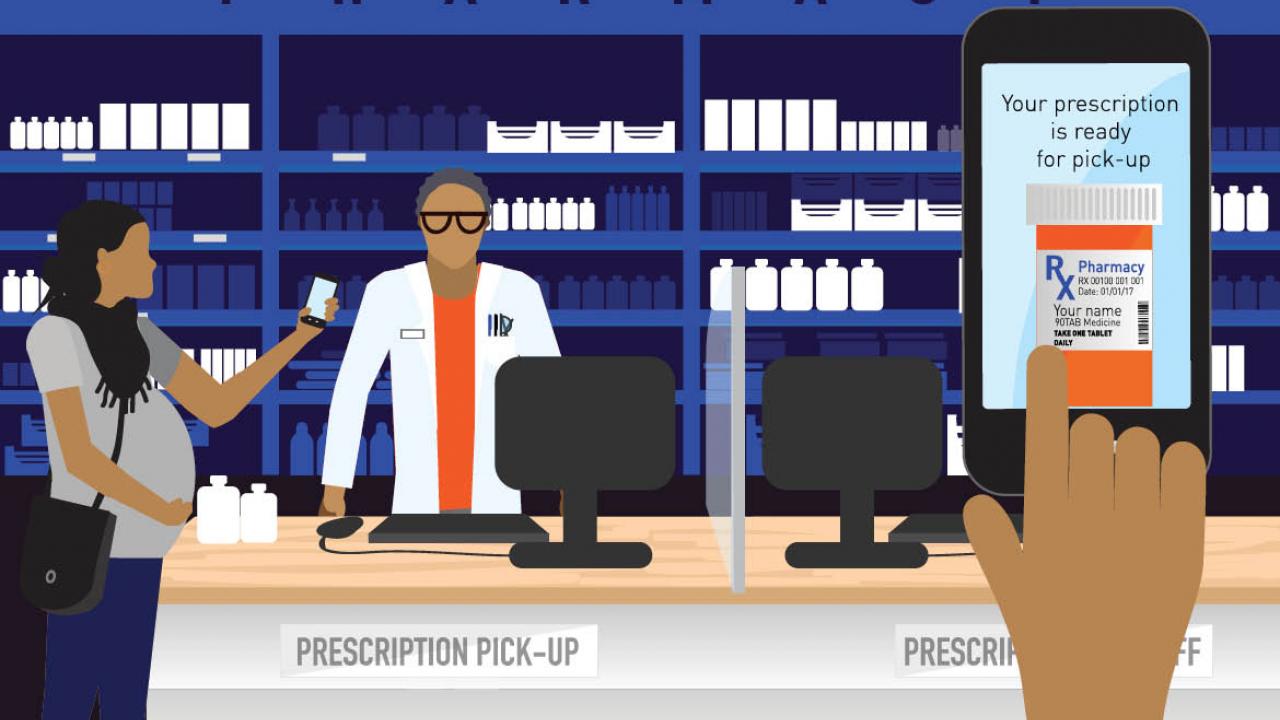
Coordinate with pharmacy colleagues to sustain your efforts. Embedded pharmacists, for example, could be delegated responsibility for completing PAs. Pharmacists can also help coordinate the PA process—especially when prescriptions cannot initially be filled. They can contact patients when PAs are approved and prescriptions are ready. Medicare Part D plans reimburse pharmacists for reviewing medicines as part of medication therapy-management service.

Another STEPS Forward module offers more detail on embedding pharmacists into the practice.

Read more about how to make the pharmacist part of your practice’s team.

Share197Tweet123
usiscc

usiscc

  • Trending
  • Comments
  • Latest
Escape From Tarkov – How to Rotate Items

Escape From Tarkov – How to Rotate Items

February 5, 2020
Supply chain examination: Planning for vulnerabilities you can’t control

Supply chain examination: Planning for vulnerabilities you can’t control

December 7, 2019
Procurement Project Manager job with Camden London Borough Council

Procurement Project Manager job with Camden London Borough Council

February 17, 2020
Art Battle Wichita Falls III at The Warehouse, 1401 Lamar.

Art Battle Wichita Falls III at The Warehouse, 1401 Lamar.

0
Global Industry Analysis, Size, Share, Growth, Trends, and Forecasts 2016–2024 – ZMR News Reports

Global Industry Analysis, Size, Share, Growth, Trends, and Forecasts 2016–2024 – ZMR News Reports

0
PHOTOS: Ottawa firefighters respond to warehouse fire

PHOTOS: Ottawa firefighters respond to warehouse fire

0
Last Mile Delivery Market Worth Observing Growth | UPS, FedEx, SF Express

Last Mile Delivery Market Worth Observing Growth | UPS, FedEx, SF Express

April 23, 2024
Top 5 Spend Analysis Software ranked in 2024

Top 5 Spend Analysis Software ranked in 2024

March 1, 2024
How Tesla And BMW Are Leading A Supply Chain Renaissance With Blockchain

How Tesla And BMW Are Leading A Supply Chain Renaissance With Blockchain

January 19, 2024
  • Privacy Policy
  • Terms of Use
  • Disclaimer
  • DMCA
  • Contact Us

Copyright © 2024 United States International Supply Chain Commission (usiscc.org)

This website uses cookies to improve your experience. We'll assume you're ok with this, but you can opt-out if you wish. Cookie settingsACCEPT
Privacy & Cookies Policy

Privacy Overview

This website uses cookies to improve your experience while you navigate through the website. Out of these cookies, the cookies that are categorized as necessary are stored on your browser as they are essential for the working of basic functionalities of the website. We also use third-party cookies that help us analyze and understand how you use this website. These cookies will be stored in your browser only with your consent. You also have the option to opt-out of these cookies. But opting out of some of these cookies may have an effect on your browsing experience.
Necessary
Always Enabled

Necessary cookies are absolutely essential for the website to function properly. This category only includes cookies that ensures basic functionalities and security features of the website. These cookies do not store any personal information.

Non-necessary

Any cookies that may not be particularly necessary for the website to function and is used specifically to collect user personal data via analytics, ads, other embedded contents are termed as non-necessary cookies. It is mandatory to procure user consent prior to running these cookies on your website.

SAVE & ACCEPT
No Result
View All Result
  • Supply Chain
  • Logistics
  • Warehousing
  • Procurement
  • Shipping
  • More
    • Strategic Sourcing
    • Spend Analysis
    • Inventory
    • Contact Us

Copyright © 2024 United States International Supply Chain Commission (usiscc.org)