






By
Christabel Addo, GNA
Accra, March 05, GNA
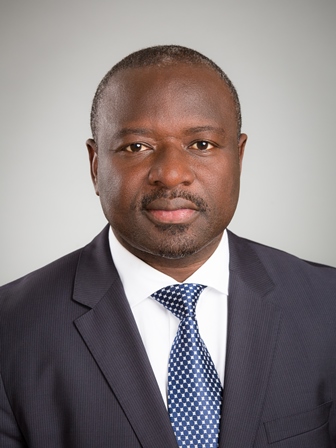
– Dr Lassina Zerbo, the Executive Secretary of the Comprehensive Nuclear
Test Ban Treaty Organisation (CTBT), has urged African countries to remain
committed to the nuclear Non-proliferation Treaty (NPT) and other safety
measures to protect their citizenry.
Dr Zerbo, who was
speaking at a two-day experts’ meeting in Accra, to brainstorm on
strengthening the NTP regime, and set the priorities for the 2020
Non-proliferation Treaty Review Conference (RevCon) to be held in April, said
the programme was timely for Africa and quite critical.
He said as African
countries expressed interest in enjoying the benefits of nuclear technology and
its various civilian applications, they must also remember their duties and
responsibilities as signatories to the Pelindaba Treaty, the CTBT and the
NPT.
He encouraged the
African Nuclear community to ensure that investments in nuclear technology were
made in line with their international obligations as responsible states.
Dr Zerbo thanked the
Norwegian Government, the Nuclear Threat Initiative (NTI), and the CTBT for
their generous support towards the meeting and its panel on NPT’s
Inter-Generational Dialogue in Africa.
He said the meeting
among other things, sought to bring together senior officials, practitioners
and technical experts from governments, regional organisations, and think
thanks in Africa to discuss the state of play ahead of the 2020 NPT RevCon from
an African perspective.
It was also to
encourage African nations to highlight potential opportunities to advance the
NPT’s goals, identify priority commitments and actions to strengthen the
peaceful uses, fissile material management, risk reduction and transparency,
which would be one of the continent’s collective focus at the
inter-generational dialogue.
Dr Zerbo stated that
there was currently a rapid deterioration of collective norms that used to
enjoy global consensus for decades, citing the unwillingness of some countries
to adhere to the non-use of nuclear weapons and nuclear non-proliferation as a
grave danger.
“We are heading
towards a world that believes that fighting with nuclear weapons are possible
and in some cases desirable,” he said.
He expressed worry
over the widening gap between the nuclear and non-nuclear weapon States, saying
the global order currently was highly fragmented, dispersive and increasingly
ideologically driven and the situation was worsening with the deepening of great power competition, with an over prioritisation of security over
development, as countries faced growing insecurity.
He said there was
the need to find common grounds on the issues of nuclear proliferation and
disarmament, and begin to register Africa’s strong presence at the global
discussions table by building the confidence of member countries.
However,
“we are experiencing a race to the hearts and minds of African countries
today. Major developed powers are launching and sustaining strategic dialogues
with our African countries because of our economic and demographic
prospects,”Dr Zerbo said.
He said Africa had
become the new frontier for energy and nuclear power investments, and that a
third of the almost 30 countries in Africa including Egypt, Ghana, Kenya,
Morocco, Niger, Nigeria and Sudan currently considering nuclear power, had
already engaged the International Atomic Energy Agency (IAEA) to assess their
readiness to embark on a nuclear programme.
Algeria, Tunisia,
Uganda and Zambia were also considering the possibility of a similar programme,
he added.
Dr Zerbo said Africa
already had an illustrious record as a proud regional nuclear weapons free
zone, with many of its countries including Ghana, supporting and abiding by the
Pelindaba treaty which was the cornerstone of the commitment to maintain a
continent free of nuclear weapons.
The establishment of
the African Commission for Nuclear Energy (AFCONE), he said, was a reminder of
what Africa could achieve when it worked together towards significant investments
in technology and energy security.
He said it offered
an extraordinary opportunity for countries to work closely together to enjoy
the full benefits of nuclear energy, while minimizing the associated risks, and
ensuring that investment in nuclear technology were made within a culture of
transparency and accountability to overcome technological and security issues.
Dr Zerbo said
nuclear investments in Africa could prompt strong nuclear Pan-Africanism
if the continent chose to work to strengthen regional nuclear institutions for
the benefits of all its societies.
Ms Isabella
Williams, the Senior Advisor, NTI, stressed on the need for Africa to make an
expressive commitment to nuclear education in order to strengthen the overall
credibility of the overall global NPT regime.
GNA










