






Alaska Commissioner of Environmental Conservation Jason
Brune says the majority of reported toxic releases in the state consist of
naturally occurring trace minerals in waste rock and tailings excavated from
mine sites.
Mining waste rock and tailings are disposed of in
state-permitted, engineered and monitored disposal sites, Brune said, in recent
comments about the U.S. Environmental Protection Agency’s released analysis of
the annual Toxics Release Inventory data for 2018.
“Big mines like Red Dog move a significant amount of
material as part of their daily operations, but such actions do not adversely
impact human health and the environment,” Brune said, in a statement released by
DEC in mid-February. “Characterizing such releases as toxic is disingenuous at
best.”
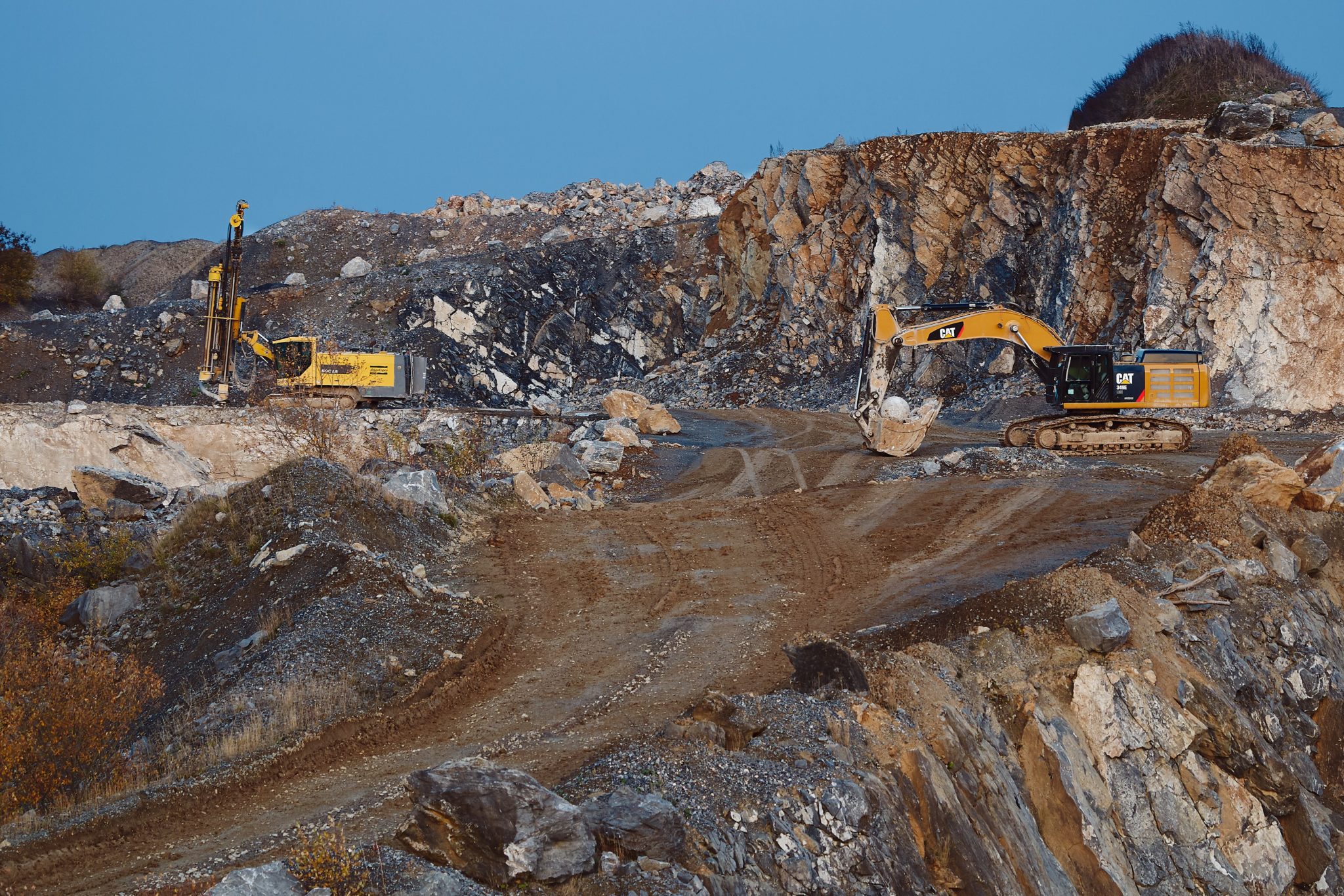
Red Dog, a large open-pit zinc and lead mine 80 miles north
of Kotzebue in northwest Alaska, is owned and operated by the Canadian mining
firm Teck Resources. It lies in the Ambler Mining District, on land owned by
NANA Regional Corp. and provides employment for a number of shareholders of the
Alaska Native firm. Concentrates produced at Red Dog are shipped to Teck
Resources’ metallurgical facilities in British Columbia, and then on to
customers in Asia and Europe. Work at the mine is expected to continue through
2031.
While the report title suggests the data is comprised of
accidental spills and releases, it also includes permitted and regulated
releases, such as air emissions and wastewater discharges and managed waste in
regulated disposal facilities, according to DEC. Chemicals are placed on the
TRI list based on their potential to cause adverse effects to human health or
the environment if they are not safely managed.
Still, according to DEC, the TRI reports do not necessarily
mean the public is being exposed to toxic chemicals or is at risk from every
release, as almost all of those releases are regulated under permit conditions
designed to limit human and environmental exposure, according to the DEC
statement.
Brune’s assurances notwithstanding, Pam Miller, executive
director of Alaska Action on Toxics, in Anchorage, said those toxic releases
are health hazards that need to be taken very seriously.
“Brune is saying the majority of these releases are
naturally occurring in waste rocks and tailings,” said Miller, who is known for
her work in prompting state, national and international chemicals policy reform
to protect the environment and human health in the Arctic. She holds a master’s
degree in environmental science from Miami University in Ohio and services. She
also co-chairs the International Pollutants Elimination Network, a global
network of non-government entities dedicated to a toxics-free future.
“Brune fails to note that this waste rock they are bringing
up has high quantities of heavy metal concentrated ore,” she said. “Bringing
this waste rock to the earth’s survey exposes it to the elements, promotes
oxidation and leaching of these toxic metals and releases them into the air and
water, which is why EPA requires them to report them this way in the TRI.”
“Past studies have shown that these toxic metals can travel
very quickly,” Miller said. “Red Dog has a had a huge problem with fugitive
dust.”
Studies on lichen and other plants that caribou herds rely
on in areas that include Cape Krusenstern National Monument reveal elevated
levels of heavy metals from mine dust on plant life, she said.
“Alaska has the dubious distinction of ranking highest in
the nation for total release of toxic substances, for a total release of toxic
substances of 973 million pounds, and this includes highly toxic chemicals like
mercury, lead, arsenic, cadmium, and cyanide, to name a few,” Miller said. “Cadmium,
a silvery-white metal, occurs as a minor component in most zinc ores.”
“There is no safe level of exposure to lead,” Miller said. “It
is extremely neurotoxic and toxic to the developing brain of children. It is
just outrageous that the industry is allowed to release this much of a neurotoxic
chemical into the environment.”
The toxics releases from mines in Alaska include some
450,000 pounds of mercury, over 5 million pounds of arsenic, 91,000 pounds of
cadmium and 295,000 pounds of cyanide, Miller said. “The state is trying to
minimize this.
“These are all permitted discharges,” she said. “This points
to the fact that despite what politicians and agency people say, the mining
industry is poorly regulated.”










