


• Latest
  • Trending
  • All
New DOD Procurement Rules Ban Suppliers Using Chinese Telecom Tech

New DOD Procurement Rules Ban Suppliers Using Chinese Telecom Tech

March 17, 2020
Last Mile Delivery Market Worth Observing Growth | UPS, FedEx, SF Express

Last Mile Delivery Market Worth Observing Growth | UPS, FedEx, SF Express

April 23, 2024
Top 5 Spend Analysis Software ranked in 2024

Top 5 Spend Analysis Software ranked in 2024

March 1, 2024
How Tesla And BMW Are Leading A Supply Chain Renaissance With Blockchain

How Tesla And BMW Are Leading A Supply Chain Renaissance With Blockchain

January 19, 2024
LATAM Cargo strengthens European cargo links

LATAM Cargo strengthens European cargo links

April 14, 2020
Ford making reusable hospital gowns from airbag materials as efforts against coronavirus expand

Ford making reusable hospital gowns from airbag materials as efforts against coronavirus expand

April 14, 2020
Don’t Sweat NBC’s Decision to Cut Back on Television Ad Inventory

Don’t Sweat NBC’s Decision to Cut Back on Television Ad Inventory

April 14, 2020
Software firms sharpen focus on AI, big data as IT spending drops

Software firms sharpen focus on AI, big data as IT spending drops

April 14, 2020
Navigating turbulent times in your supply chain (TL:DR version)

Navigating turbulent times in your supply chain (TL:DR version)

April 14, 2020
Last Mile Delivery by Drones Market is Booming Worldwide

Last Mile Delivery by Drones Market is Booming Worldwide

April 14, 2020
AIR CARGO MARKET SIZE, SHARE, DEMAND, TREND, LATEST INNOVATIONS & APPLICATION ANALYSIS AND INDUSTRY GROWTH FORECAST 2027 – Science In Me

AIR CARGO MARKET SIZE, SHARE, DEMAND, TREND, LATEST INNOVATIONS & APPLICATION ANALYSIS AND INDUSTRY GROWTH FORECAST 2027 – Science In Me

April 14, 2020
Wheat procurement in Patiala: 6,500 coupons issued to farmers – cities

Wheat procurement in Patiala: 6,500 coupons issued to farmers – cities

April 14, 2020
Pandemic, Plastics And The Continuing Quest For Sustainability

Pandemic, Plastics And The Continuing Quest For Sustainability

April 14, 2020
  • Supply Chain
  • Logistics
  • Warehousing
  • Procurement
  • Shipping
  • More
    • Strategic Sourcing
    • Spend Analysis
    • Inventory
    • Contact Us
No Result
View All Result
United States International Supply Chain Commission
Home Procurement

New DOD Procurement Rules Ban Suppliers Using Chinese Telecom Tech

by usiscc
March 17, 2020
in Procurement
0
New DOD Procurement Rules Ban Suppliers Using Chinese Telecom Tech
493
SHARES
1.4k
VIEWS
Share on FacebookShare on Twitter

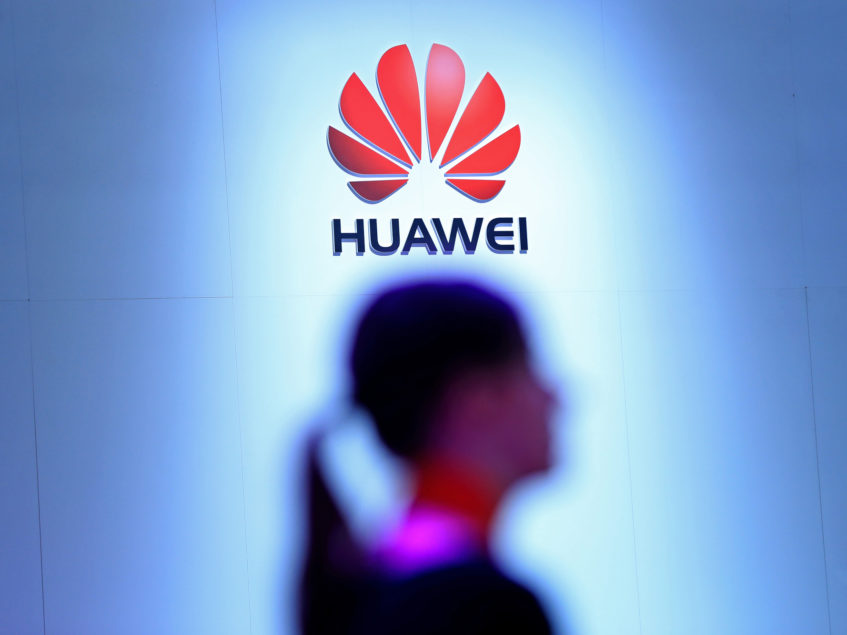
The U.S. Department of Defense is banning the purchase of telecommunications equipment and services from suppliers with ties to China and Russia — even though the prohibition was already part of a broader rule issued last August, involving all government agencies.

Effective on December 31, 2019, an interim rule by DOD covers all procurement by the agency from entities controlled by or related to China and Russia. Its specific targets, however, are China’s Huawei Technologies Co. Ltd. and ZTE Corp. Huawei, a pioneer of 5G wireless technology and reportedly the world’s largest supplier of network equipment, has been accused by the U.S. of espionage and intellectual property theft. ZTE, a telecom company that is also heavily involved in the development of 5G networks, has been fined for illegally exporting U.S. technology to Iran and North Korea, in violation of economic sanctions.

The rule that relates specifically to DOD could have a major impact on the agency’s procurement practices. “It’s not unrealistic to think that there’s a fair amount of Huawei products that companies doing work for DOD have used,” says Jason Workmaster, member of the litigation practice with the law firm of Miller & Chevalier. In fact, Huawei’s leadership in 5G technology is likely to create headaches for any agency or country refusing to purchase its products. Britain recently defied pleas by the Trump Administration to ban Huawei equipment from its own nascent 5G network.

While DOD’s action was in the form of an interim rule, it took effect immediately upon issuance. It is subject to public comments, with a final rule likely due later this year.

Workmaster says the DOD rule was required by the National Defense Authorization Act for Fiscal Year 2018, although it took more than a year for the agency to get around to issuing it. In the meantime, the NDAA for Fiscal 2019 mandated a much broader prohibition on the procurement of Huawei equipment by all military and civilian agencies. That rule went into effect on August 13, 2019, effectively eliminating the need for DOD’s earlier and more specific ban, which nevertheless was issued separately in accordance with the 2018 NDAA.

“It’s not unusual in government procurement for some requirement to first affect the Defense Department — its procurement spending dwarfs that of any other agency — then impose it more generally across government,” Workmaster explains.

He sees the possibility of some tweaking of the DOD rule following the public comment period, with an eye toward better defining what a “substantial or essential component” is. Does the term cover components such as the servers running in the background of a supplier’s IT network? Clearer guidelines could “give industry a little bit more comfort in how to implement this regulation,” says Workmaster.

Some companies have expressed concern about a lack of alternatives to products from Huawei, which is already dominating the global 5G market. And even if they can find other suppliers, the higher cost of such resources could prevent them from bidding successfully — and profitably — on DOD contracts. “It’s going to be a real big question,” Workmaster says. “I could see this having a massive cost impact.”

He advises DOD suppliers to start thinking now about whether they should request price increases in contracts with the agency, to cover the cost of circumventing Huawei. A refusal by DOD to make allowances for the switch could amount to an unfunded mandate by government — one that makes it impossible for key suppliers to compete in the market for defense work.

Companies must ensure due diligence in determining whether any of their systems incorporate Huawei or ZTE technology. They’ll need to start with a complete inventory of equipment, then undertake a similar examination of all contractors and sub-contractors throughout their supply chains. Finally, they’ll have to determine whether any of those entities are using prohibited equipment that is a “substantial or essential” part of their work for the government.

Expect the prohibition on Chinese technology to get even tighter. Workmaster expects a much broader rule to take effect in August of this year, mandated by NDAA 2019, prohibiting government agencies from entering into contracts with companies that use Huawei equipment.

In all cases, full visibility of the defense supply chain will be required. Says Workmaster: “If you’re not able to contract with the government because you use Huawei technology as a substantial component of a system, it will cause a lot of heartburn.”


Share197Tweet123
usiscc

usiscc

  • Trending
  • Comments
  • Latest
Escape From Tarkov – How to Rotate Items

Escape From Tarkov – How to Rotate Items

February 5, 2020
Supply chain examination: Planning for vulnerabilities you can’t control

Supply chain examination: Planning for vulnerabilities you can’t control

December 7, 2019
Procurement Project Manager job with Camden London Borough Council

Procurement Project Manager job with Camden London Borough Council

February 17, 2020
Art Battle Wichita Falls III at The Warehouse, 1401 Lamar.

Art Battle Wichita Falls III at The Warehouse, 1401 Lamar.

0
Global Industry Analysis, Size, Share, Growth, Trends, and Forecasts 2016–2024 – ZMR News Reports

Global Industry Analysis, Size, Share, Growth, Trends, and Forecasts 2016–2024 – ZMR News Reports

0
PHOTOS: Ottawa firefighters respond to warehouse fire

PHOTOS: Ottawa firefighters respond to warehouse fire

0
Last Mile Delivery Market Worth Observing Growth | UPS, FedEx, SF Express

Last Mile Delivery Market Worth Observing Growth | UPS, FedEx, SF Express

April 23, 2024
Top 5 Spend Analysis Software ranked in 2024

Top 5 Spend Analysis Software ranked in 2024

March 1, 2024
How Tesla And BMW Are Leading A Supply Chain Renaissance With Blockchain

How Tesla And BMW Are Leading A Supply Chain Renaissance With Blockchain

January 19, 2024
  • Privacy Policy
  • Terms of Use
  • Disclaimer
  • DMCA
  • Contact Us

Copyright © 2024 United States International Supply Chain Commission (usiscc.org)

This website uses cookies to improve your experience. We'll assume you're ok with this, but you can opt-out if you wish. Cookie settingsACCEPT
Privacy & Cookies Policy

Privacy Overview

This website uses cookies to improve your experience while you navigate through the website. Out of these cookies, the cookies that are categorized as necessary are stored on your browser as they are essential for the working of basic functionalities of the website. We also use third-party cookies that help us analyze and understand how you use this website. These cookies will be stored in your browser only with your consent. You also have the option to opt-out of these cookies. But opting out of some of these cookies may have an effect on your browsing experience.
Necessary
Always Enabled

Necessary cookies are absolutely essential for the website to function properly. This category only includes cookies that ensures basic functionalities and security features of the website. These cookies do not store any personal information.

Non-necessary

Any cookies that may not be particularly necessary for the website to function and is used specifically to collect user personal data via analytics, ads, other embedded contents are termed as non-necessary cookies. It is mandatory to procure user consent prior to running these cookies on your website.

SAVE & ACCEPT
No Result
View All Result
  • Supply Chain
  • Logistics
  • Warehousing
  • Procurement
  • Shipping
  • More
    • Strategic Sourcing
    • Spend Analysis
    • Inventory
    • Contact Us

Copyright © 2024 United States International Supply Chain Commission (usiscc.org)






