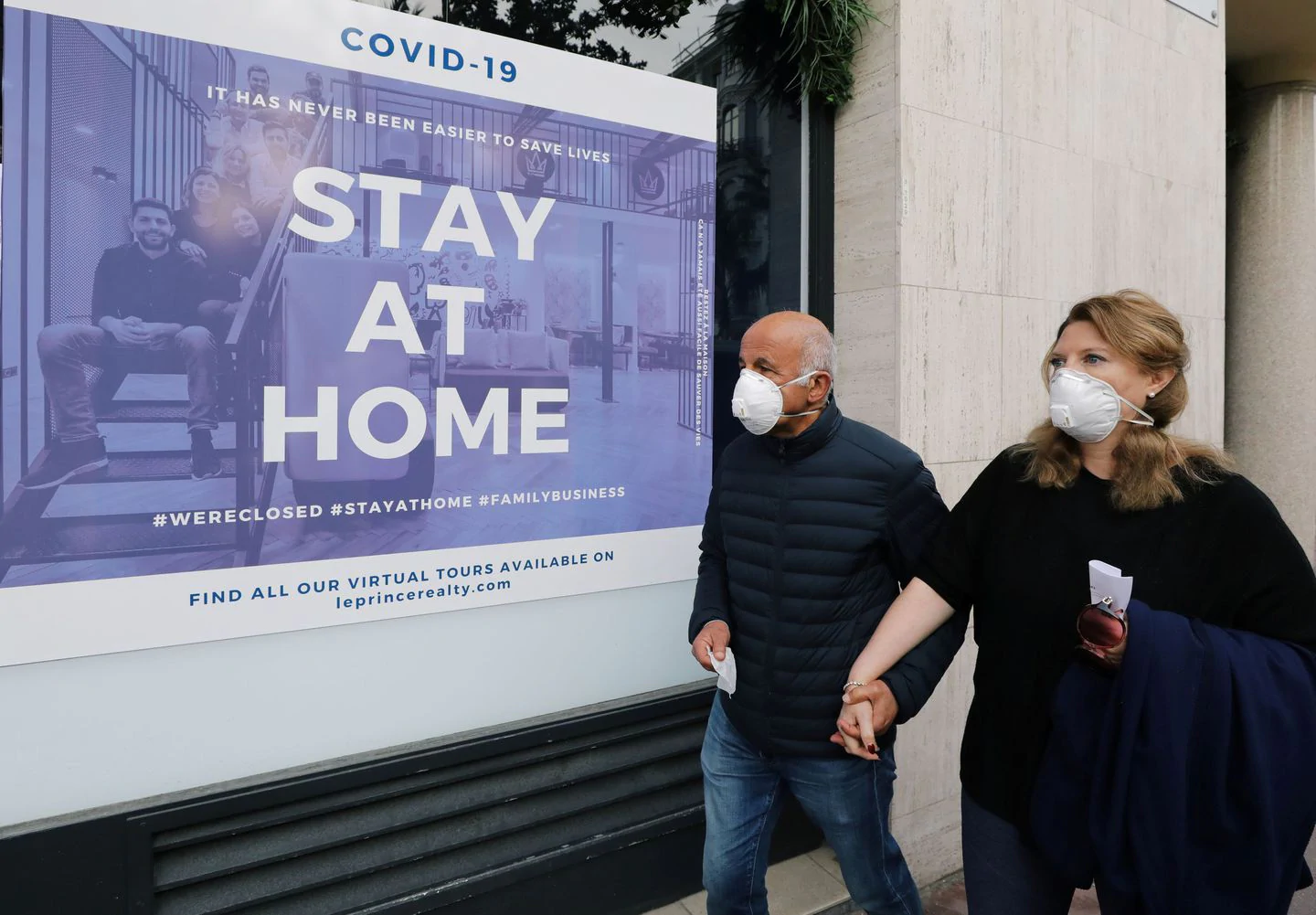








As the novel coronavirus continues to cross state lines and claim lives in its wake, governors are issuing orders aimed at flattening the curve.
On Monday, Michigan Gov. Gretchen Whitmer (D) ordered citizens to stay home and closed nonessential businesses for at least the next three weeks while the state tries to lower its growing total of positive coronavirus cases.
The order begins at 12:01 a.m. on Tuesday. Michigan has recorded 1,232 confirmed cases and 15 deaths as of Monday, Whitmer said in a news conference.
Michigan’s rising caseload will likely cause a severe strain on the state’s health-care system, Whitmer said. Pharmacies, grocery stores, gas stations and banks will remain open, as will delivery and carryout at restaurants. Other nonessential businesses could face fines and closure, she said.
A lack of direction and medical supplies from the federal government has exacerbated the situation in Michigan, Whitmer said. Michigan recently received its allotment from the National Strategic Stockpile, and it was barely enough to cover one shift at a local hospital, Whitmer said.
Schools will remain closed at least through April 13, and state leaders are exploring how people can cast their ballots at home in local elections in May, she said.
Massachusetts Gov. Charlie Baker (R) issued a similar order that will take effect from noon on Tuesday until April 7 at noon. Baker said at a Monday news conference that he will also direct the state’s Department of Public Health to issue a “stay at home advisory” that will outline self-isolation and social-distancing protocols.
The order came shortly after city and state representatives pressured him to sign a “stay at home order” in a public letter.
“I do not believe I can or should order U.S. citizens to be confined to their homes for days on end,” he said, saying such an order did not make sense and was not realistic.
Baker’s order will likely be enforced at the local level and carries a graduated set of penalties.
Maryland Gov. Larry Hogan (R) also ordered all nonessential business shut down at 5 p.m. on Monday following a previous mandate of closing down casinos and racetracks earlier in the month.
Indiana Gov. Eric Holcomb (R) delivered sweeping orders on Monday for Hoosiers to remain inside with exceptions for going out for essentials or for health-care needs.
Holcomb will also close the doors to all state government offices. Orders are effective from March 25 to April 7.
Hoosiers with soon-expiring licenses or registrations will receive an automatic extension from the governor that will prevent law enforcement from issuing citations for expired materials during the state’s emergency.