





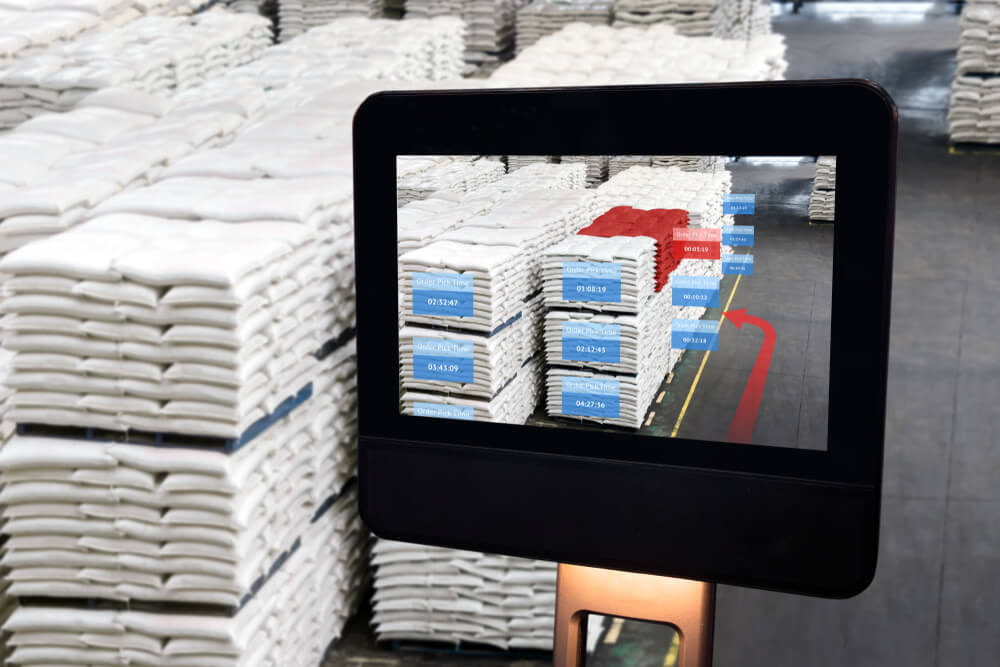
Robotics, computer system vision, huge information, and also independent cars are all AI (expert system) and also equipment learning-led modern technologies that might assist change the complicated supply chain field– and also yet general uptake of AI is presently static.
That’s according to searchings for from the 2020 MHI Annual Industry Report, at the very least, which locates that simply 12 percent of companies are using AI in the supply chain today– down 1 percent from in 2015– according to a study of greater than 1,000 supply chain and also production specialists.
Despite the possible advantages in what has actually come to be an exceptionally affordable sector, lots of companies in the logistics field has actually battled with sourcing or training in the essential abilities and also expertise to applying AI for the very first time.
However, component of that obvious reduced uptake likewise boils down to analysis of what counts as AI.
More than a quarter (28 percent) participants, for instance, declared their companies made use of anticipating analytics– which makes use of a number of the very same methods as AI– versus simply 12 percent of energetic AI use.
The lead writer of the MHI research, Thomas D. Boykin, is a supply chain expert for Deloitte, and also thinks that AI stands for systems with no energetic human participation.
“There’s some things that can be executed systematically without human intervention,” Boykin made clear. “And for us, that’s where AI comes in.”
This varies from the understanding of a few other sector specialists that think about anticipating and also authoritative logical methods, such as category and also collection determining devices, to likewise be fruits from the AI tree.
If that meaning of AI is trusted, after that the fostering degrees of AI in supply chain sectors is really greater than the MHI whitepaper suggests, with anticipating evaluation numbers possibly rolled in along with AI data.
This is the sight held by the vice head of state of item at Fetch Robotics, Stefan Nusser, that was previously the European head of Google’s Cloud AI group. “In my mind, any data-driven, model-based machine learning approach— that to me is AI,” Nusser informed Supply Chain Dive in a meeting.
Definitions apart, nonetheless, it’s not to state there aren’t obstacles with onboarding AI in its ‘real’ feeling. Seventy- 8 percent of participants claimed there was “high” competitors for the ability that is available.
Another difficulty to quick fostering is that applications are usually educated to expand based upon existing historic information, and also lots of firms’ information administration streams are simply unqualified that degree of ease of access yet.
The record specifies that a simple 16 percent of study participants consider their business’s information administration to be either “good” or “excellent”.
What most sector experts can settle on is that the sensible execution of AI in logistical fields is most likely much more prevalent and also differing than the information presently mirrors.
And with the coronavirus pandemic influencing sectors throughout the globe, it’s most likely that the fostering of data-driven AI and also automation remedies might be sped up, coming to a much bigger range. “I think penetration is just slow,” claimed Nusser.

Post Views: 3