






The wilderness area includes a buffer zone around its west end and a designated primitive area around its south end. Within it is a 10,000-acre grizzly bear conservation area, the first of many examples demonstrating how committed the CSKT are to wildlife management.
The tribes have set aside two large areas intended to maintain the long-term health of elk and big horn sheep herds, and have also taken the lead on reintroducing trumpeter swans, peregrine falcons, northern leopard frogs and Columbian sharp-tailed grouse to the Mission Valley.
Perhaps nothing so exemplifies the tribes’ dedication to wildlife protection and habitat preservation than the reconstruction of Highway 93 through the Flathead Reservation some 20 years ago. The highway’s wildlife overpasses, underpasses and fencing have significantly reduced wildlife fatalities and preserved crucial wetlands.
This highway design, the wildlife conservation areas and the reintroductions are a testament to the tribes’ fish and wildlife managers, as skilled and qualified as any in the world.
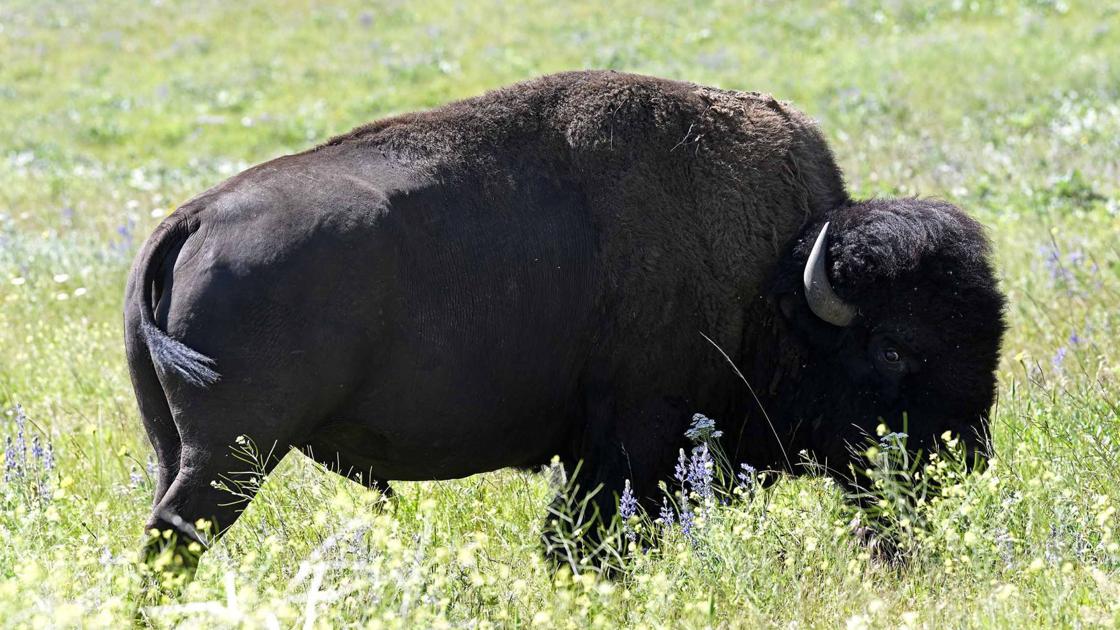
Some question whether the CSKT could properly manage the National Bison Range. We believe, however, that this is based on cultural biases rather than valid concerns regarding CSKT’s ability to manage the range.
Despite what some have claimed, restoring management of the National Bison Range to the CSKT, while keeping the range in federal trust ownership and accessible to all, has nothing to do with the issue of lands transfer — and we say this as representatives of organizations that have been at the forefront of keeping public lands in public hands.










