





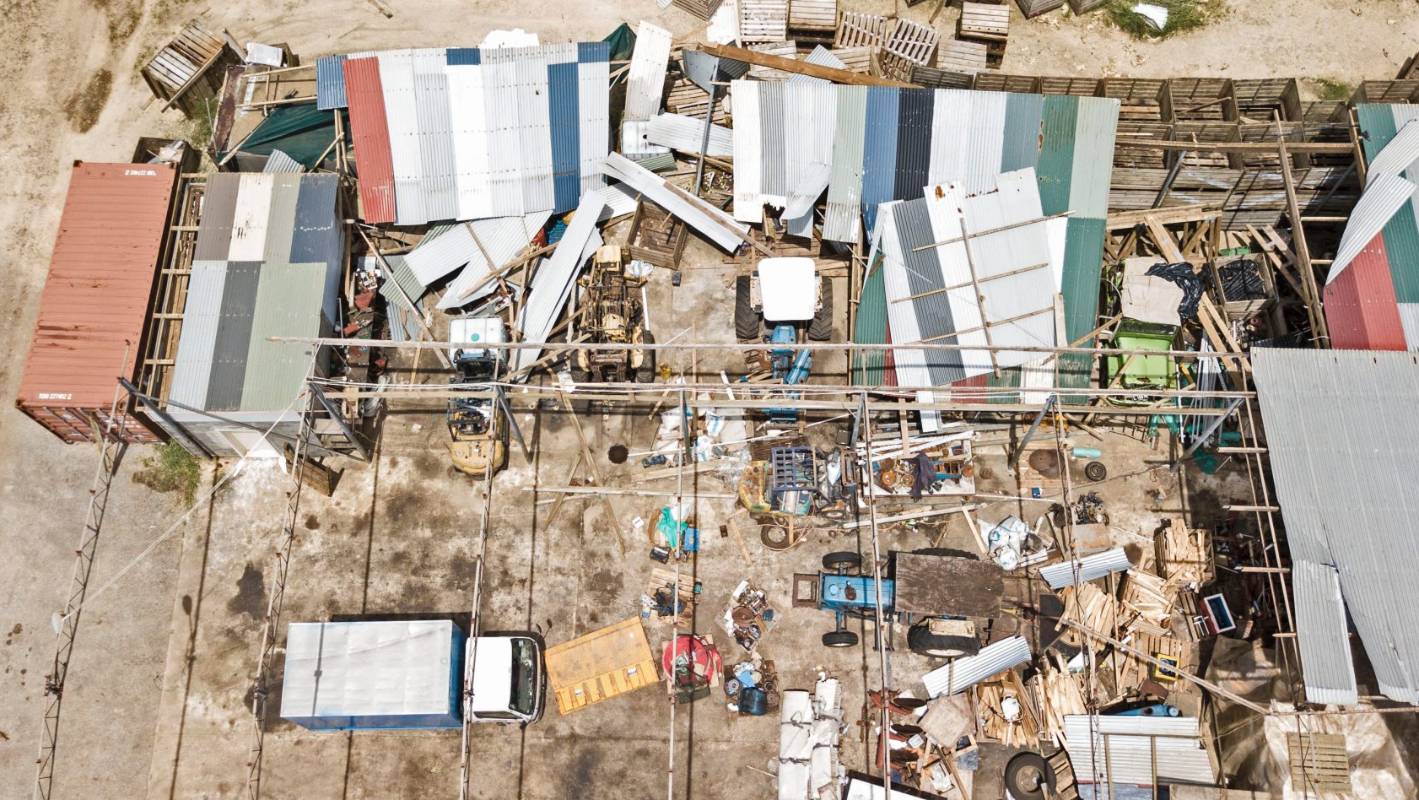
Amid concerns about rising seas and stronger cyclones, Niwa has been helping Tonga’s weather forecaster carry out a major upgrade of its equipment.
The project, funded by the Asian Development Bank (ADB), has provided Tonga with 21 new weather stations and two sea level monitoring stations.
In the past the Tongan Meteorological Service (TMS) had problems getting manual weather observations from areas with no staff, but thanks to the project that is changing.
“We are now able to get data from these remote areas and can now work on building the capacity of the Met Office in all areas of forecasting,” TMS head Ofa Faanunu said.
READ MORE:
* Cyclone Gita’s trail of destruction exposes poor building standards in Tonga
* Cyclone Gita howls through Tonga: ‘It sounded like a jumbo jet’
* Cyclone-struck Tonga gets further $10 million in aid from NZ
LAWRENEC SMITH / SUNDAY NEWS
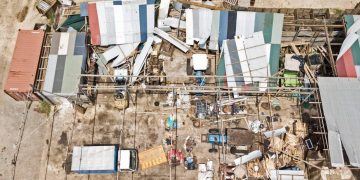
Cyclone Gita tore through Tonga in February 2018, damaging 4000 homes and destroying more than 800. The cyclone was estimated to have caused $164m in damage.
A big part of the challenge in implementing the project was getting material to some of Tonga’s many isolated islands in a huge expanse of ocean.
The 169-island archipelago stretches 800km from north to south, with many of the islands difficult to get to.
Niwa principal scientist Dr Graham Elley, who managed the installations, said the project was a complex logistical exercise and would provide Tonga effective warning of extreme weather and coastal events.
“Ferry and shipping companies are now able to receive forecasts of the routes they use, predicting sea state for the next few days and at the extreme weather end, there will be a much better understanding of what is happening when and where.”
NIWA
Niwa has worked with the Tongan Meteorological Service to install new weather stations across Tonga.
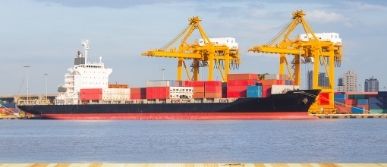
The equipment and supporting infrastructure was assembled in Christchurch by a team from Niwa’s instrument Systems group, before being shipped to Tonga’s capital Tongatapu in three containers.
Then to get the gear and people needed to install it to the outer islands a boat with live-on accommodation was chartered from Tauranga. That boat also transported the “huge” amounts of concrete needed for the job, which was not available locally. Niwa also provided on the job training.
The aim was to get the weather stations installed in the most remote locations first before the cyclone season started in November.
The work is part of Tonga’s Climate Resilience Sector Project, aimed at improving climate change adaptation and disaster risk management.
LAWRENCE SMITH / STUFF
The destroyed remains of Tapau Nisiliva School in Tonga after Gita roared through.
The ADB said Tonga had reported all its key sectors were likely to be significantly affected by climate change, with major environmental, economic, and social consequences.
“Particular concerns include impacts on agricultural production, water supply, and coastal infrastructure and resources,” the ADB said. “The effects of climate change are exacerbating natural hazards such as tsunamis, cyclones, coastal flooding, and droughts.
“Over the last few decades, Tonga observed a higher variability of rainfall causing localised flooding as well as droughts related to El Nino events. Increased ocean temperatures have caused coral bleaching and destruction of habitats for reef species.
“Sea level rise, estimated in the order of 6 millimetres per year, is contributing to coastal erosion and subsequent damage to infrastructure and properties.”
Increased exposure to tropical cyclones and storm surges had caused significant economic losses to Tonga’s economy. For example, tropical cyclones Waka in 2002 and Rene in 2010 inflicted losses of $US60 million ($NZ89.6m) and $US22m respectively. Tonga has a 50 per cent chance of experiencing an annual loss exceeding $US175m and casualties larger than 440 people due to natural hazards .