






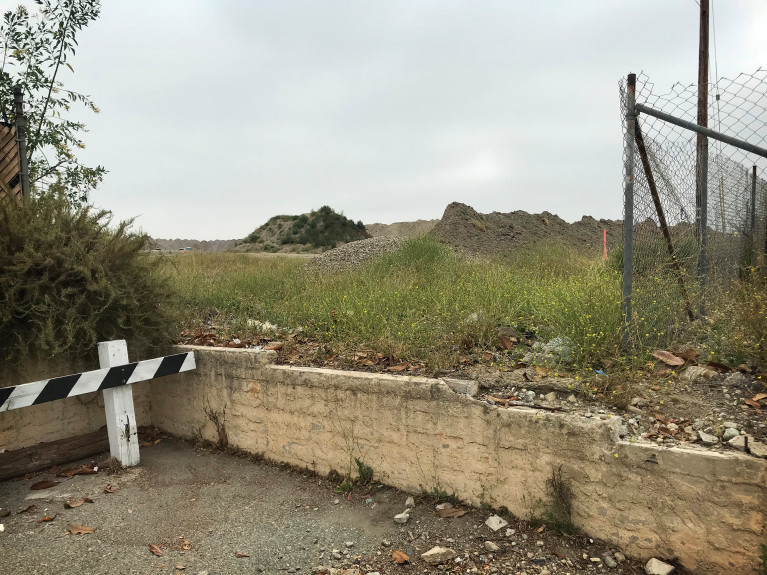
For about a century, a large lot next to Cable Airport in Upland has sat vacant.
Over the past year, Bridge Development Partners has worked to develop a plan for the lot that is both environmentally responsible and economically beneficial to the city.
After repeatedly reducing the size and scope of the project, the developer has proposed a logistics warehouse encompassing a small fraction of the land, with various mitigation measures to reduce impacts on air quality, greenhouse gas emissions, noise, traffic and other environmental considerations.
The proposal would limit the number of trucks in service to 25 per day, mostly at night, and would include things like electric charging ports for vehicles.
The warehouse would provide hundreds of jobs in the city, fulfill an obvious economic need given the region’s prominence as a logistics hub, and also yield needed revenue for the city. The developer has agreed to contribute a sales tax in-lieu fee of $13.5 million to make up for the potential loss of sales tax to the city, as well as improving nearby infrastructure.
The development is also consistent with the current zoning of the vacant lot, which allows for warehousing, and does not come to the detriment of any other existing plans or uses of the vacant land.
So what’s the problem?
Opponents variously challenge either the soundness of the project’s environmental reports or generic criticisms of the logistics industry.
To the first category of arguments, the developer has produced a Mitigated Negative Declaration study evaluating the environmental impacts of the project which in turn has been vetted by a third-party providing peer-review of the report.
To the latter, it has to be pointed out that if there wasn’t a demand for such a warehouse, it wouldn’t be proposed. It would be wrong to deprive hundreds of people, many in Upland itself, the opportunity of making a living closer to home simply because one can dream up alternative uses for the property.
The project, which goes before the planning commission today, is sound and clearly offers tangible benefits to Upland.
It should be approved.










