






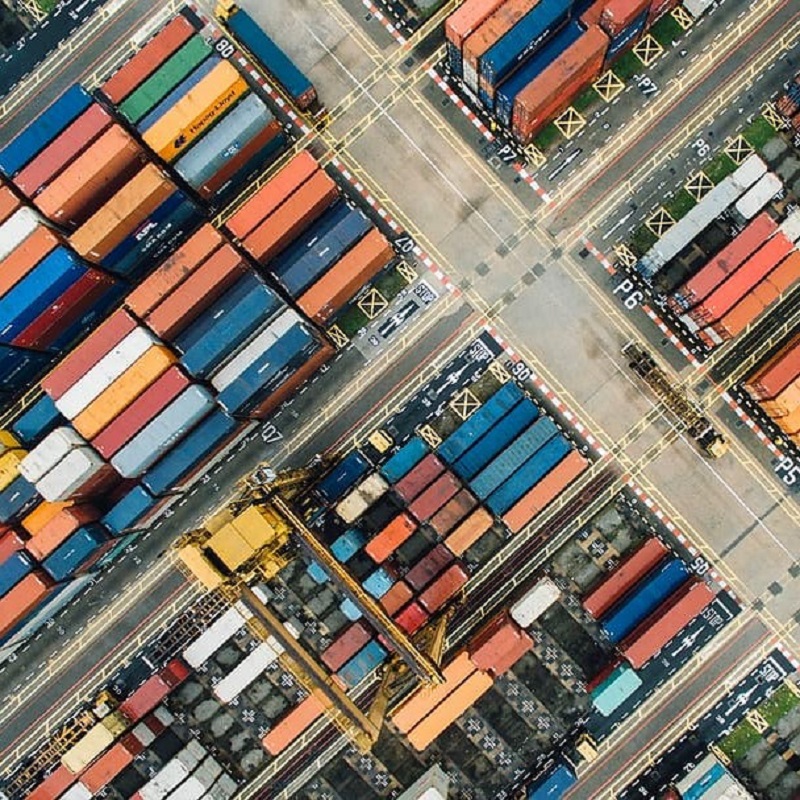
13 Mar 2020 — The outbreak of the coronavirus COVID-19 continues to have a serious impact on global supply chains, in particular those of sea freight, coupled with increasingly limited availability of empty containers at source. Ingredients suppliers now flag the significant consequences and operational volatility this is causing. In this update on the global pandemic’s repercussions on global food chains, companies shed light on the critical bottlenecks currently faced in the cross-border movement of food and beverage shipments.
“We are currently facing obstacles and restrictions on container transport routes, rail and road freight, ports and terminals,such as blockades, plant closures by manufacturers and suppliers, disinfection requirements and quarantine restrictions,” the Managing Directors of Bösch Boden Spies say in a joint statement.
“In addition, a lack of available equipment and capacity limitations on the part of shipowners, as well as denied access to ports and terminals, and the refusal of customs authorities to clear goods to and from certain countries, are all factors that have to be considered,” they clarify.
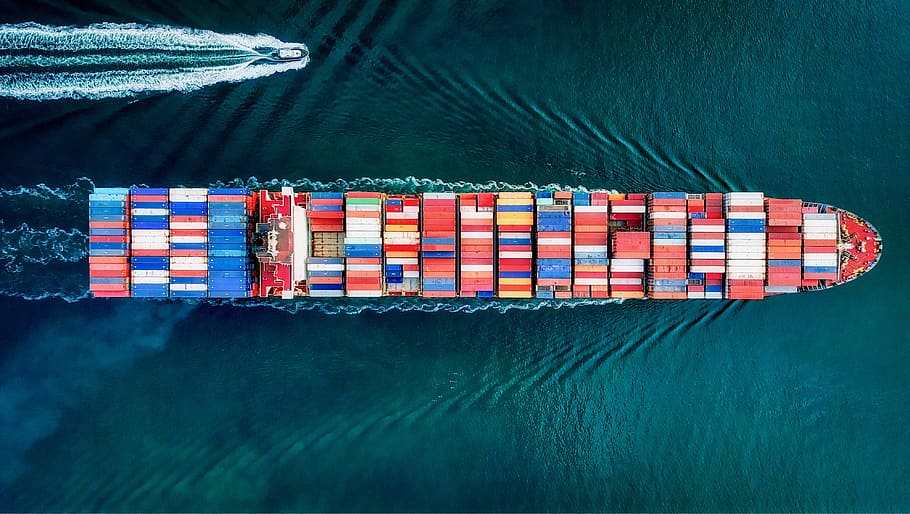
Moreover, the Germany-headquartered supplier underscores that the market is confronted with hundreds of “blank sailings” (the failure of a ship to sail or the omission of a planned port of call) on all trade lanes, resulting in a significant shortage of capacity and a global unbalance in equipment.
 Click to EnlargeBösch Boden Spies executives stress, “We can no longer fully guarantee the smooth processing and performance of the supply chain, as this event is beyond our and our carriers’ control.” What does this mean for shipments?
In the case of shipments in transit, the Bösch Boden Spies executives stress, “We can no longer fully guarantee the smooth processing and performance of the supply chain, as this event is beyond our and our carriers’ control.” They refer here to shipping companies and forwarders specifically.
The company further explains that its carriers are unlikely to be able to fulfil both the commitments to provide capacity, equipment, transport routes and lead times and the associated costs on which the contract prices agreed with its clients are based. Alongside other industry players, it further states it is working hard to find alternative solutions to minimize the impact on shipment flows caused by these exceptional circumstances.
The additional costs listed above, which have been incurred as a result of the corona crisis, may be charged to the company by shipowners, forwarders and service providers. “As far as we can see, this is a measure with which all stakeholders in the global supply chain are confronted,” its executives highlight.
“In addition to the regular delivery costs, we have been informed by some of our carriers about the introduction of a ‘COVID-19 Emergency Surcharge (CES)’. So far, this seems to be implemented only for reefer full container loads (FCLs), but may become an issue in the next step also for FCLs for the transport of dried fruits and nuts.
“Should circumstances make it necessary, this surcharge will be calculated to cover exceptional costs related to the impact of coronavirus on global supply chains,” the Bösch Boden Spies Managing Directors state.
“At this stage, we cannot yet estimate the exact extent of the costs, but we would like to advise you that any uncalculated costs incurred in the course of the corona crisis cannot be covered by us as importers and marketers alone. Only together can we handle this crisis. That is why we are relying on fair, partnership-based solutions,” they conclude.
The impact of COVID-19 on the food and beverage sector alone provides enough of a case study on how the virus could significantly weigh down the global economy. Last month, Italian industry reps – now facing the spread of the disease across its nation – voiced concerns that food excellence may “fall into the eye of the hurricane.” Notably, COVID-19 concerns contributed to a World Food Price dip in February, as international trade shows were either cancelled or postponed. The outbreak has further caused disturbances to the beer market, which is challenged by the closure of entertainment venues and restaurants in impacted regions.
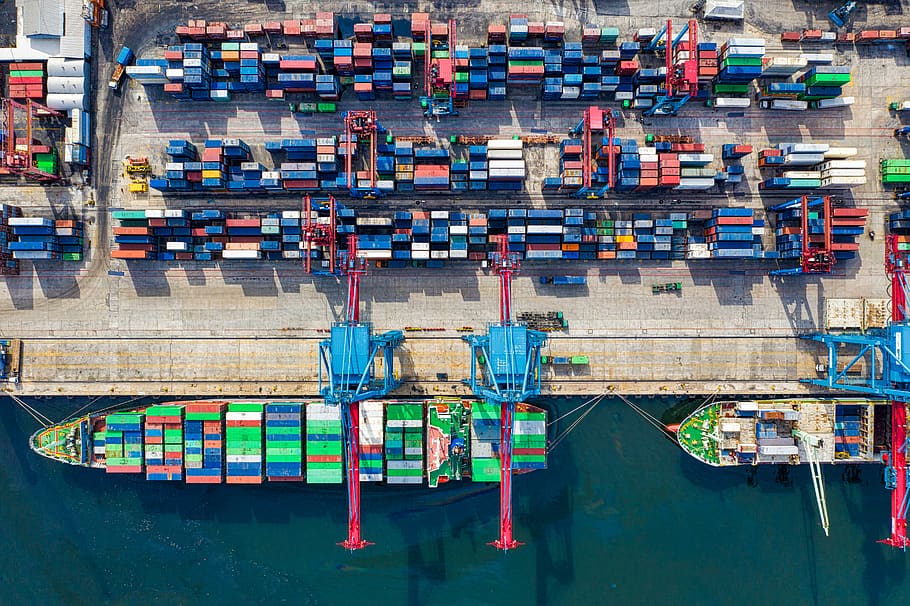 Click to EnlargeBecause of the delay in people returning to work and producing goods, container ships leaving China nearly have been cancelled due to a lack of shipments.Cancellation of shipments leaving China
In China, some factories are back online and production is ramping up, but output is at roughly 50 to 70 percent, flags Nuherbs, a supplier of Chinese herbal extracts. “Some workers are still returning, some haven’t returned, and others are still in quarantine. Things will slowly return to normal and output will continue to increase as time passes. But, if there is another outbreak, which some experts say may well happen in the fall, things are likely to slow down again or even shut down,” stresses a company statement.
“Cargo ships and air freight are nowhere near usual levels. Because of the delay in people returning to work and producing goods, container ships were leaving China nearly empty, so they canceled trips. Air freight shipment is faster than cargo but a short term solution because of the expense: approximately US$0.10 to US$0.15 a kilo for container sea freight versus US$4 to US$9 per kilo air shipment,” the statement highlights.
The situation for supplement manufacturers is made more daunting by the tariffs, which are still 25 percent on dried herbs, and not a lot easier for items that were being tariffed at 15 percent and are now rolled back to 7.5 percent, Nuherbs reports.
“People are beginning to stock up on non-perishable foods like fruit snacks, canned goods, frozen produce and beans, as well as antibacterial products. They are also buying more pet medications and supplements. For some reason people are apparently hoarding bottled water, which indicates this is panic-buying driven more by fear and less by what circumstances are likely to be. The grocery industry and trade associations are working to anticipate and respond to these shifts,” it emphasizes.
Financial markets across the world have long taken notice of the crisis’ severity. “The global economy was already hit hard by the Trump Administration’s trade wars, with the Federal Reserve System cutting interest rates three times last year,” stresses the Nuherbs communication.
“It just cut them again. If the virus strikes as the CDC has predicted, it’s possible the [Trump] Administration will attempt to work with Congress to provide fiscal stimulus similar to what the Obama Administration did in 2009,” concludes the statement.
By Benjamin Ferrer
To contact our editorial team please email us at
[email protected]
If you found this article valuable, you may wish to receive our newsletters.
Subscribe now to receive the latest news directly into your inbox.










