






news, local-news,
Climate change is real. However, if we are to have any chance of fixing it, we need to be pragmatic and less emotional. There are many layers to the carbon story, but I am only familiar with the most ignored renewable we have available to us – forests. We can make a material difference to Australia’s climate change mitigation efforts by better managing our 132 million hectares of native forest. And the science – even the United Nations – tells us that the way to do this is not by locking up the forests in perpetuity, but by better managing them. Sound too good to be true? Let me explain. Any credible climate change policy must include a robust management plan for the natural forests – our lungs of the planet. These lungs are renewable, they play a large role in providing the air we breathe and for thousands of years have and can continue to provide the human race with critical infrastructure: homes, buildings and more. By using wood, we avoid non-renewables (plastics, fossil fuels, energy-intensive construction materials such as concrete), and we are happier and healthier in our homes. Ninety per cent of the weight of wood is stored carbon. Wood used in buildings stores carbon for the life of the product and this is a critical tool in the fight against climate change. This unequivocal fact is why the demand for wood continues to rise every year – which is only good for the planet as long as the forests from where the trees were harvested are managed sustainably. To ensure sustainable forest practices are implemented, we can, as consumers, choose certified wood products, either PEFC (Responsible Wood in Australia) or FSC, which are the two leading global forest certification schemes. If we agree that forestry, managed sustainably, is one of very few absolute renewable opportunities we have available to us, we must be globally-minded about how we manage our Australian forests against forests overseas, especially given the urgent need to act on climate change. Consider this: 100 per cent of the native forest operations conducted on public land in Australia are certified by PEFC, the biggest global forest certification scheme (www.pefc.org). However, only about 10 per cent of natural forests worldwide are certified at all. That means that for every 10 overseas forest operations, we don’t know if the trees are being replanted in nine of them. The Australian native/natural forestry sector has been closed down to such an extent that here in Australia we import 80% of our hardwood needs. As a nation we have eroded a sustainable industry in favour of timber sourced from countries that practice what can only be described as environmental vandalism. At the same time, we have put thousands of Australians in regional communities out of work, gutted communities and hurt our economy. Putting aside the “carbon miles” (consumption of crude oil in ships), it is very likely that a large proportion of this imported lumber or finished furniture is sourced from non-certified forestry operations, promoting the destruction of critical habitat for endangered species such as orangutans. Those that have for decades been trying to stop Australia’s forests from being harvested have done so because they are either ideologically driven, or blind to the science of sustainability. After all, every tree harvested for timber in our native forests is regenerated by law. As a result, there is no net reduction in forest area as a consequence of timber production. Surely we need to manage our entire forestry estate for a range of values. If done well, this can and will enhance the overall protection of the forest ecosystem, including wildlife. It will protect the communities and infrastructure that lie within close proximity of the forests from bushfire. It will also help create locally-produced timber products and assist in developing stronger regional economies. All the while it will be taking demand away from overseas forestry operations. We must stop looking at agriculture (which includes forestry) as part of the problem. If we take our blinkers off, we will find that agriculture, including sustainable forestry, is actually a critical part of the environmental solution.
https://nnimgt-a.akamaihd.net/transform/v1/crop/frm/hmGELMDNLvR57UVp2m7fXz/8e9fa1f7-8725-4bed-8a67-ceb6d53fd011.jpeg/r0_523_3750_2642_w1200_h678_fmax.jpg
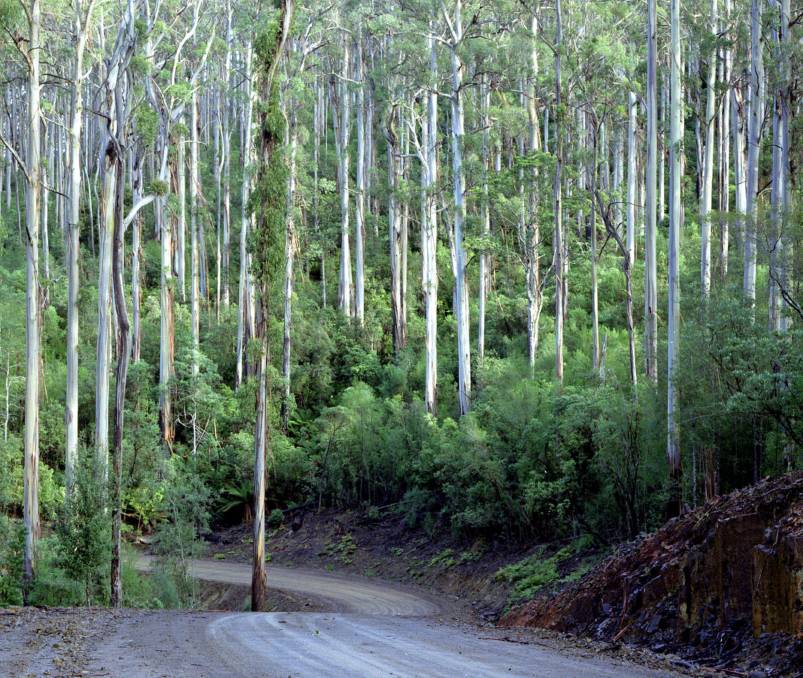
Sustainable growth: James Neville-Smith believes forestry is a vital aspect of addressing climate change.
Climate change is real. However, if we are to have any chance of fixing it, we need to be pragmatic and less emotional.
There are many layers to the carbon story, but I am only familiar with the most ignored renewable we have available to us – forests.
We can make a material difference to Australia’s climate change mitigation efforts by better managing our 132 million hectares of native forest.
And the science – even the United Nations – tells us that the way to do this is not by locking up the forests in perpetuity, but by better managing them.
Sound too good to be true? Let me explain.
Any credible climate change policy must include a robust management plan for the natural forests – our lungs of the planet.
These lungs are renewable, they play a large role in providing the air we breathe and for thousands of years have and can continue to provide the human race with critical infrastructure: homes, buildings and more.
By using wood, we avoid non-renewables (plastics, fossil fuels, energy-intensive construction materials such as concrete), and we are happier and healthier in our homes.
Ninety per cent of the weight of wood is stored carbon.
Wood used in buildings stores carbon for the life of the product and this is a critical tool in the fight against climate change.
This unequivocal fact is why the demand for wood continues to rise every year – which is only good for the planet as long as the forests from where the trees were harvested are managed sustainably.
To ensure sustainable forest practices are implemented, we can, as consumers, choose certified wood products, either PEFC (Responsible Wood in Australia) or FSC, which are the two leading global forest certification schemes.
If we agree that forestry, managed sustainably, is one of very few absolute renewable opportunities we have available to us, we must be globally-minded about how we manage our Australian forests against forests overseas, especially given the urgent need to act on climate change.
Consider this: 100 per cent of the native forest operations conducted on public land in Australia are certified by PEFC, the biggest global forest certification scheme (www.pefc.org).
However, only about 10 per cent of natural forests worldwide are certified at all.
That means that for every 10 overseas forest operations, we don’t know if the trees are being replanted in nine of them.
The Australian native/natural forestry sector has been closed down to such an extent that here in Australia we import 80% of our hardwood needs.
As a nation we have eroded a sustainable industry in favour of timber sourced from countries that practice what can only be described as environmental vandalism.
At the same time, we have put thousands of Australians in regional communities out of work, gutted communities and hurt our economy.
Putting aside the “carbon miles” (consumption of crude oil in ships), it is very likely that a large proportion of this imported lumber or finished furniture is sourced from non-certified forestry operations, promoting the destruction of critical habitat for endangered species such as orangutans.
Those that have for decades been trying to stop Australia’s forests from being harvested have done so because they are either ideologically driven, or blind to the science of sustainability.
After all, every tree harvested for timber in our native forests is regenerated by law.
As a result, there is no net reduction in forest area as a consequence of timber production.
Surely we need to manage our entire forestry estate for a range of values.
If done well, this can and will enhance the overall protection of the forest ecosystem, including wildlife.
It will protect the communities and infrastructure that lie within close proximity of the forests from bushfire.
It will also help create locally-produced timber products and assist in developing stronger regional economies.
All the while it will be taking demand away from overseas forestry operations.
We must stop looking at agriculture (which includes forestry) as part of the problem.
If we take our blinkers off, we will find that agriculture, including sustainable forestry, is actually a critical part of the environmental solution.
- James Neville-Smith is executive chairman of Neville Smith Forest Products.










