








By Scott Simanek, Chief Commercial Officer, Unis Fulfillment and Transportation
Since 2009, online retail purchases have risen from less than 4% to more than 10% of total market share. If today’s shippers want to thrive, they must meet retailers’ demands to satisfy consumers’ click-and-get expectations.
What does this mean? Lightning-fast delivery, but in smaller quantities.
Since smaller shipments utilize less trailer space, cost per unit increases. One hundred units in a truck may cost 25 cents each, but 50 units of the same product in the same truck may cost 35 cents. At the expense of the shipper, half-empty trucks and massive trailer pools continue to crowd docks and highways while increasing carbon emissions.
Now more than ever shippers should consider deploying consolidation strategies to gain efficiency, decrease costs and positively impact our environment. There are three common consolidation models that we see shippers deploying today.
First: What is consolidation and who does it best serve?
Many full-service logistics companies offer consolidation services that help shippers save time and money by combining like shipments with similar destinations. By organizing with other shippers, consolidators can pool shipments heading in the same geographical direction or they can batch similar freight to maximize the efficiency of delivery, whether within or outside of a company’s network.
But frankly, freight consolidation doesn’t make sense for everyone. If you’re a shipper sending a pallet every other week to your retailer’s distribution channel, then consolidation, which requires front-end planning and financial investment, doesn’t serve your needs.
For larger shippers wanting to avoid the higher costs of shipping small loads, navigate a more focused network and minimize intermediary stops, consolidation is an adaptable service that benefits every stop along the supply chain — including the consumer.
Model 1: Single-buyer consolidation
Major retailers usually attract shipments from a large pool of vendors, and at the retailers’ distribution centers (DCs), hundreds of trucks can crowd the docks. In the single-buyer consolidation model, a vendor hires a consolidator to sweep its docks and send truckloads of goods to the DC instead of relying solely on expensive smaller shipments.
Walmart, for example, has vendors that may send two-pallet shipments of athletic apparel and gear to different DCs across one geographic region. Overpopulated docks can lead to late shipments and unintended detention times as well as cause drivers frustration over wait times that eat into their hours of service.
Instead of sending LTL shipments to the DCs, a consolidator will sweep a vendor’s docks and combine shipments in a truckload format going to the retailer’s facilities. Consolidation drastically reduces the number of trucks at the dock, which in turn lowers labor costs and speeds transit time. On top of that, transportation costs are reduced and so is damaged freight as fewer people are handling it.
Single-buyer consolidation also allows for scheduled drop-offs using drop trailers. With the savings in transit time, the retailer can reallocate product if a certain market is short of something. Retailers also can use this model for inbound ocean imports by delaying until there’s enough to send to the proper DC.
Model 2: Multi-buyer consolidation
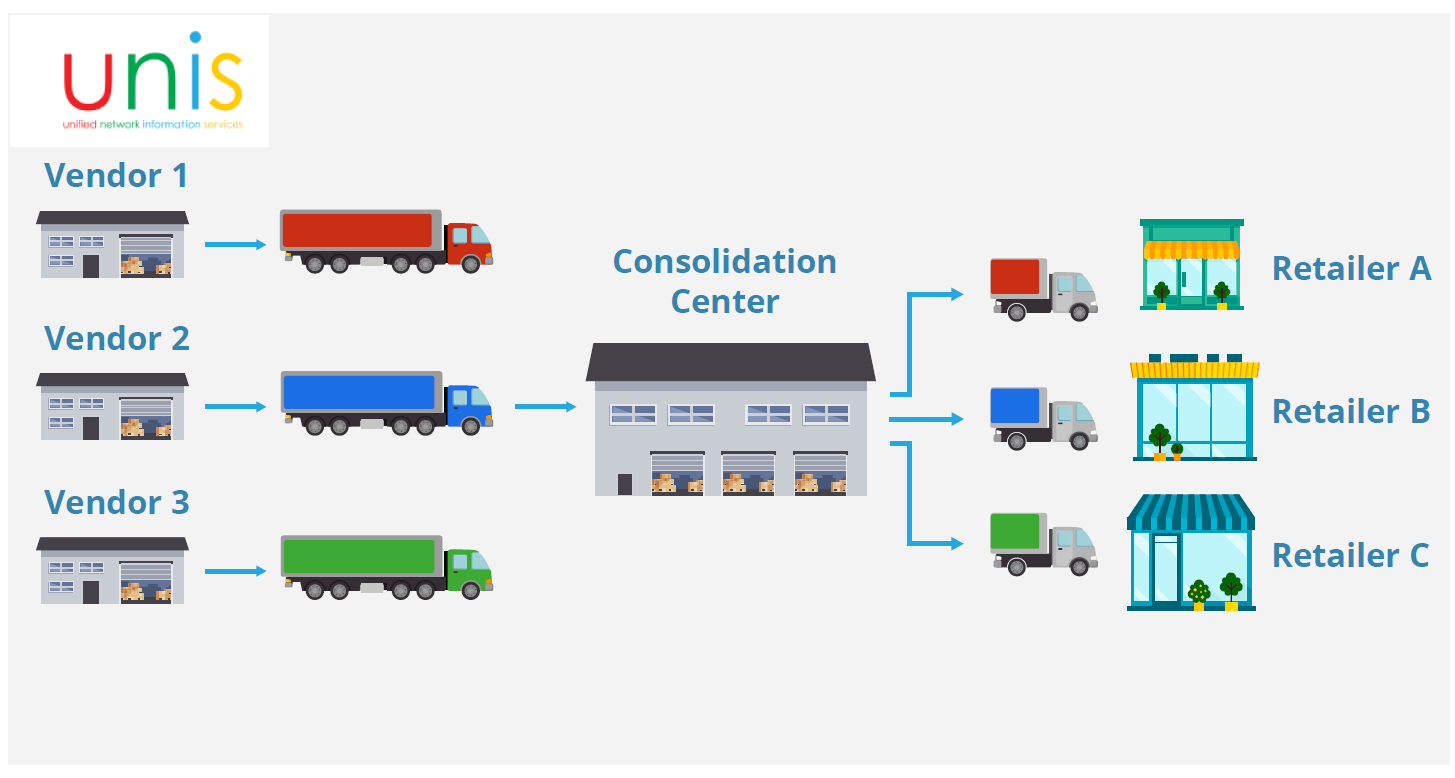
This second model finds multiple vendors that ship to the same retailer and combines their smaller shipments into truckloads.
A company like Best Buy has many vendors all sending smaller shipments to DCs in the same geographic region. While none of those companies individually has enough freight to fill a truck, a consolidator can bring smaller shipments into a regional facility and load them directly to the final DC on a single truck, with each brand getting a separate price.
This model provides a huge advantage to shippers who use LTL carriers, as it helps minimize the impact of potential noncompliance fees (sometimes up to 3% of the purchased goods’ total value) and puts delivery in the hands of the consolidator. And like single-buyer consolidation, it saves transportation dollars.
Model 3: LTL zone skipping
Say a manufacturer has only one DC in the entire country and needs to ship 30 LTLs of product across the U.S.
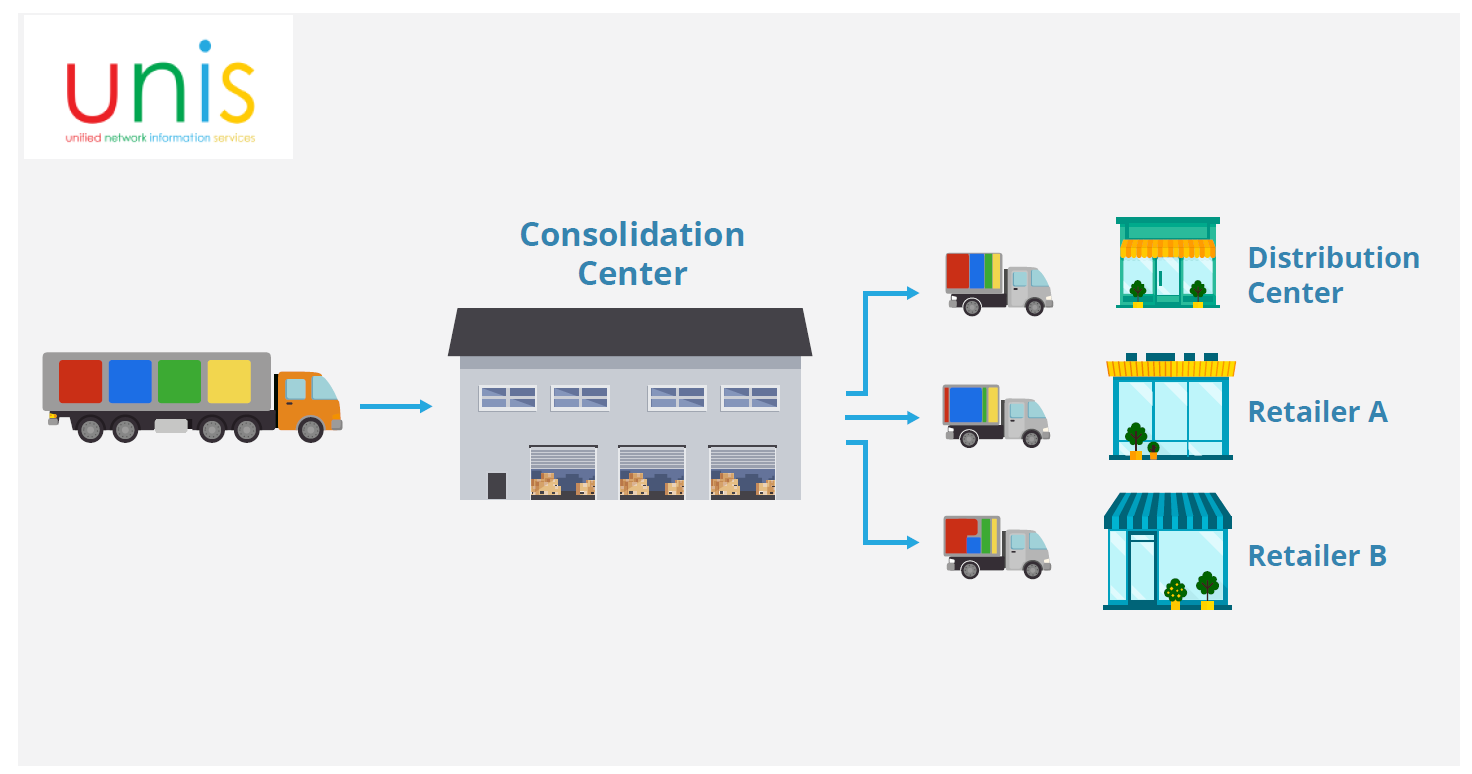
Instead of risking the cost of empty miles and the burden of repetitive stops at LTL hubs to add more freight, under the LTL zone-skipping model, shippers can fill an entire truckload or intermodal trailer and cross the country for a specific geographical market.
At that point, a full-service logistics provider consolidates and redistributes the freight locally using final-mile carriers. More than likely, the consolidator has a more confident grasp on navigating the local market efficiently. This third consolidation solution expedites delivery to the retailer, cuts out empty miles and also saves transportation costs. By avoiding the extra stops on a traditional LTL hub-and-spoke route, the freight is handled only when its loaded and unloaded, minimizing damage.
Consolidation: An agile approach to shipping challenges
To remain competitive in the marketplace, shippers need to adapt.
While consolidation requires forethought, scheduling and financial planning, the benefits are clear. With recent advances in transportation management systems, shippers can even be notified when consolidation would be a useful alternative. The end result: fewer trucks on the roads and at the docks — and greater efficiency.
Unis is an asset-based 3PL running 11 million square feet of warehousing and over 500 trucks in seven regional markets. Unis Transportation’s focus is on regional less-than-truckload, retail consolidation, drayage and dedicated fleets. Unis Fulfillment excels at e-commerce, retail distribution and transloading services at its 27 facilities nationwide.










