






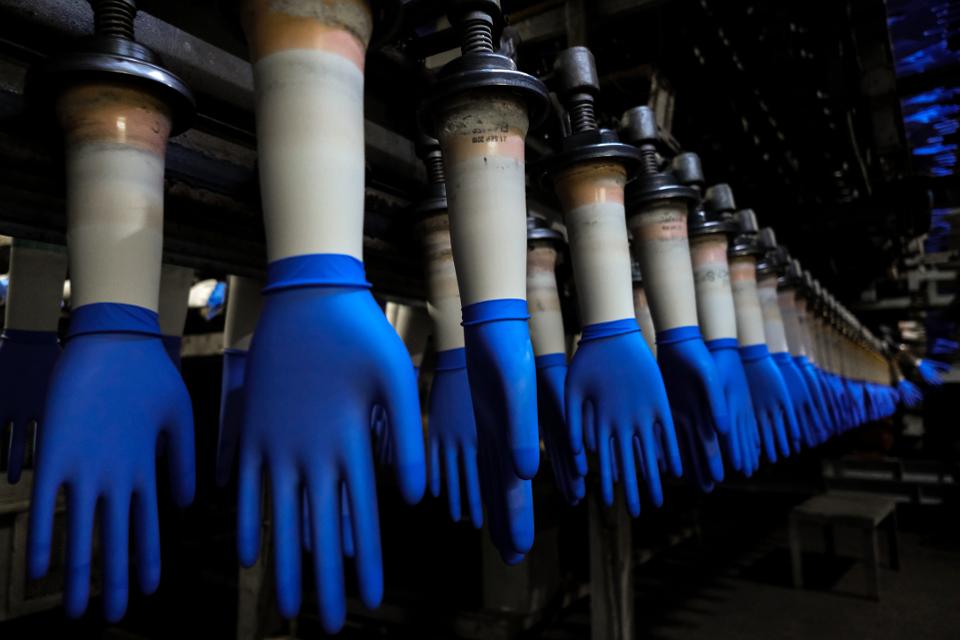
Latex gloves on hand-shaped molds move along an automated production line in the world’s biggest … [+]
© 2020 Bloomberg Finance LP
Judging from trends in other countries, the next few weeks will be critical to ramp up production of essential testing kits and personal protection equipment (such as surgical masks and gloves).
Today, President Trump confirmed he had ‘put into gear’ the Defense Procurement Act, that is likely to be applied initially to address medical and pharmaceutical shortages.
Demand for critical medical supplies is likely to increase in the United States and around the world as cases start to spread within the country and internationally.
Ten days ago, the US Department of Health estimated healthcare workers will need 3.5 billion face marks over the course of 2020 in a worst-case pandemic scenario. The Director General of the WHO estimated that each month, 89 million medical masks, 76 million gloves and 1.6 million goggles, are required internationally to address the COVID-19 crisis, and called for manufacturing of these to increase globally by 40%.
Critical medical supplies
The 8 most critical elements appear to be:
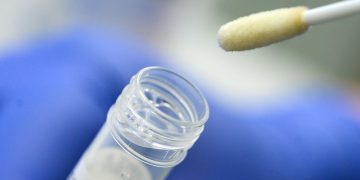
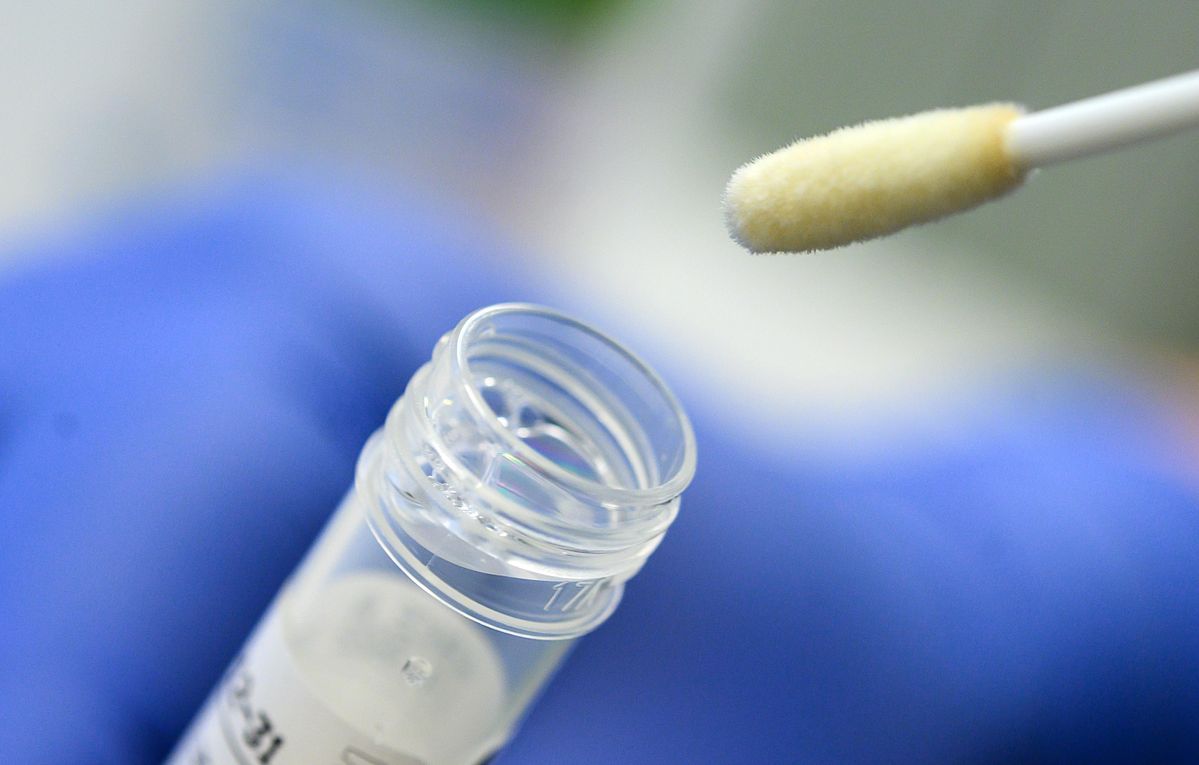
- Nylon-Plastic Swabs used for Testing Kits
- Plastic Vials used for Testing Kits
- Surgical Gloves
- Surgical Masks
- Ventilators
- Chemical reagents needed for the tests
- Pharmaceutical production for any drugs or vaccines that are eventually developed
- Hand-sanitizers and personal cleaning products
Many of these elements currently use single use plastics or have some sort of sustainability challenge. Without doubt, the immediate focus should (and is) on meeting the impending need. Indeed, many innovative approaches are being used during this emergency in the very short term.
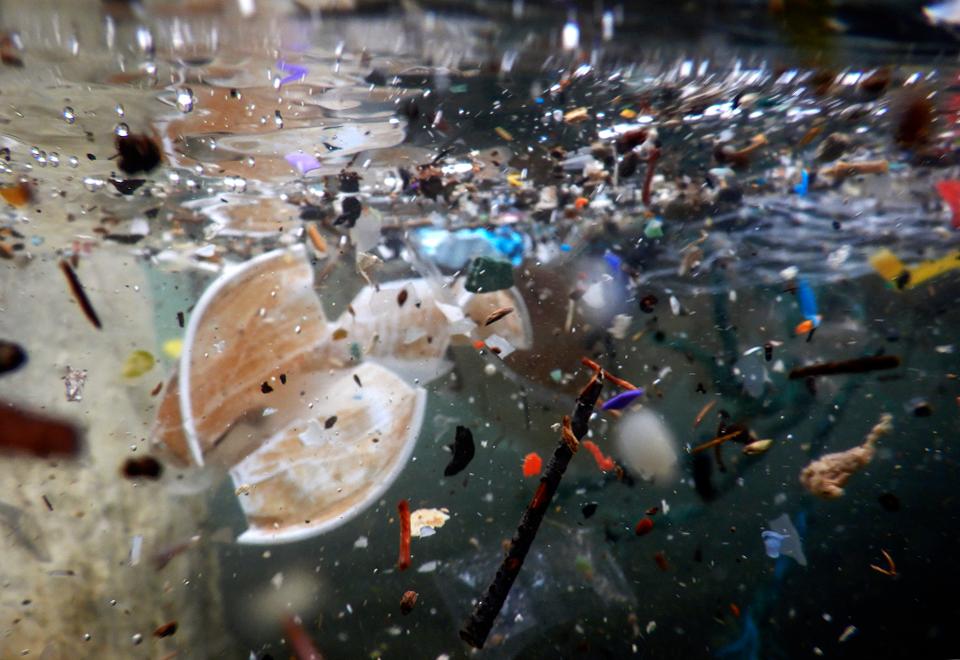
Plastic waste and debris underwater carried by the storm of the last days at sea. The bad weather … [+]
KONTROLAB/LightRocket via Getty Images
At the same time over the medium to longer term, many other companies are working on alternatives to plastics that could offer options to replace single-use plastics for medical purposes. Indeed, if the strict social distancing and stay at home measures introduced yesterday are successful, there will be a lot of surplus equipment after ‘Peak COVID-19,’ and a flattened curve.
Much of the discarded medical waste in the US is sterilized and taken to landfills in a regulated manner (incineration has been discouraged since 1997). However, other countries may not have as advanced bio-hazard waste protocols. This could potentially lead to a secondary environmental crisis with billions of small items of hazardous single use plastics ending up in waterways and oceans around the world.
Which components could be replaced with sustainable alternatives, at the same cost and medical standards as current plastic uses?
A more sustainable medical supply chain
Here is an overview of the 8 most critical elements, and how other industries are exploring potential sustainable alternatives.
1. Swabs for Testing Kits
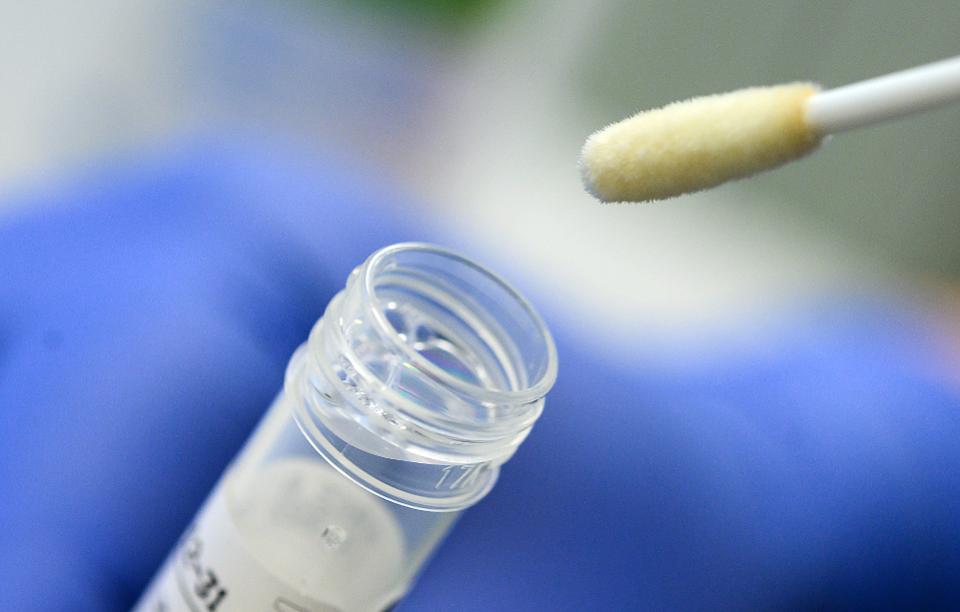
Shortly before the corona outpatient clinic of the Stuttgart Hospital in Katharinenhospital Germany, … [+]
dpa/picture alliance via Getty Images
The COVID-19 tests currently involve a highly specialized and CDC regulated ‘nasopharyngeal’ swab for the throat and nose. They are currently manufactured in the US and Italy, and disposed after testing. In the same way that single use plastic straws are being replaced with non-petroleum bio-synthetic alternatives, are there innovative ways to manufacture using novel sustainable sources that still meet the high medical standard needed for testing. This would greatly help ensure that any bio-medical waste targeted for landfills, do not end up in the ocean if inappropriately disposed of, given the need for hundreds of millions of tests internationally over the next few months.
2. Plastic Vials used for Testing Kits
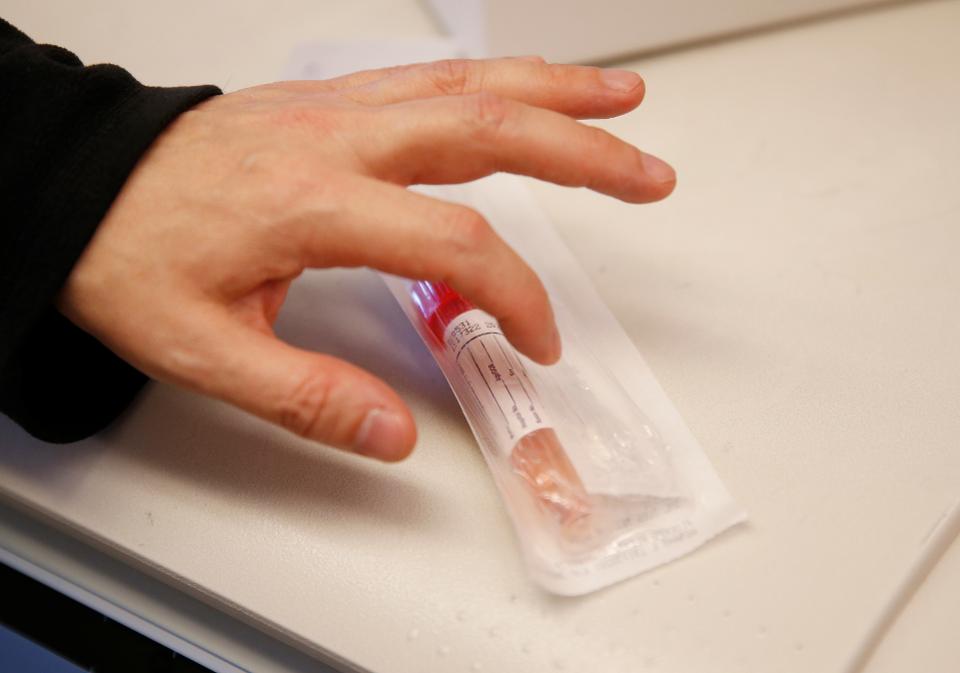
The contents of a COVID-19 collection kit for testing in the MGH Microbiology Lab including viral … [+]
Boston Globe via Getty Images
The samples for testing must be safely contained and transported to the testing machines. Currently, most supply chains use medical-grade plastic bottles or vials to transport throat and nose swabs. This includes the plastic wrapper packaging around each test. However, in the future, several alternatives could be explored such as plant-based plastics, waterproof and recycled cardboard bottles (similar to milk cartons), ocean recycled plastics. There has been significant technological development around alternatives to plastic liquid bottles that could be applied to the medical supply chain, without compromising the integrity of sample collection.
3. Disposal surgical gloves
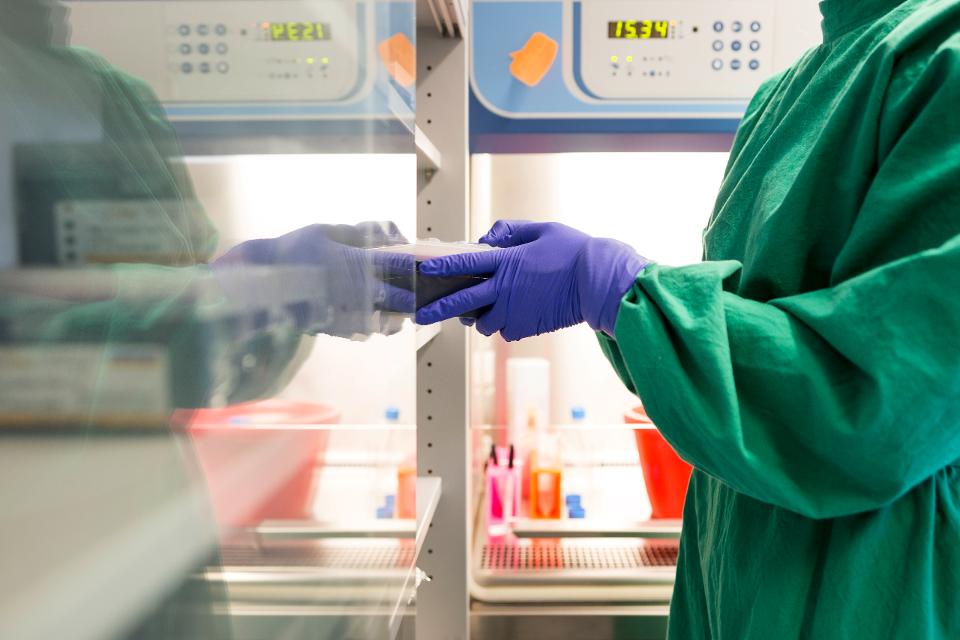
Cell and Molecular Biology, biosafety level 2 laboratory. Researcher in protective clothes in front … [+]
Universal Images Group via Getty Images
The use of disposal surgical gloves is critical in a medical setting, particularly in preventing contamination from patient to patient during the COVID-19 crisis. However, if improperly discarded, this could cause significant damage in the environment. Autopsies on several beached whales have shown swallowed plastics and surgical gloves as contributing factors in their death. So far the big difference has been between single-use latex gloves and recyclable materials within nitrile gloves. However, there is a need for greater innovation around bio-degradable alternatives that meet the same medical standards but are able to decompose into the environment. At the same time, some companies are looking at end of life reuse of such gloves into waste bags.
4. Surgical Masks
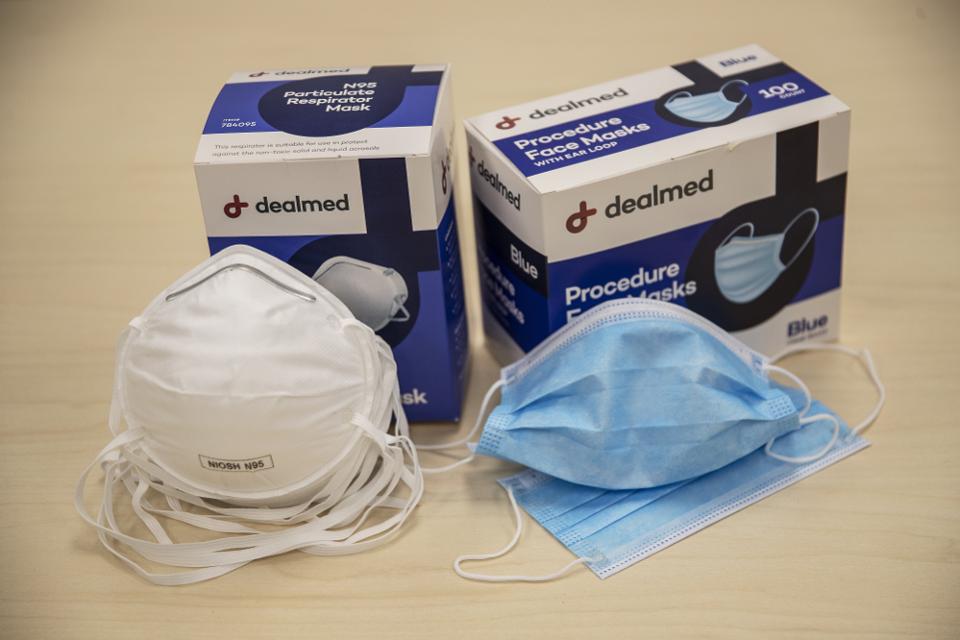
N95 particulate respirator masks and procedure face masks are arranged for a photograph at a … [+]
© 2020 Bloomberg Finance LP
There are two types of masks that are often discussed in this crisis: loosely fitting surgical masks and tightly fitting N95 respirators. New legislation passed on Wednesday allows industrial producers like 3M, Honeywell and Moldex to produce 550 million masks for the healthcare sector (still short of the 3.5 billion forecast US demand for 2020). There are several components for the masks, that are leading to DIY efforts to address the shortage. These include plastic straps and filters. Sustainable alternatives to the plastic components could be developed within the synthetic biology community, with companies like Bolt Threads that makes cloth from spider silk, and companies exploring 3D printing for mask components that could source from more sustainable feedstock.
5. Ventilators
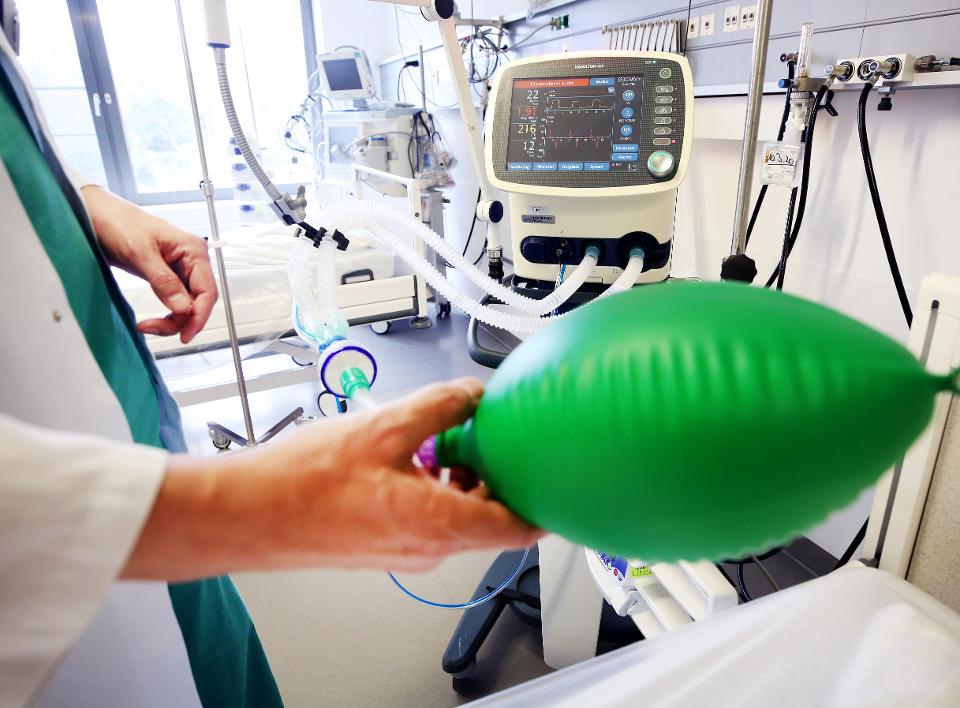
20 March 2020, North Rhine-Westphalia, Viersen: At an additional intensive care bed for possible … [+]
dpa/picture alliance via Getty Images
Estimates are that over the course of the year, 960,000 patients may need ventilators (not all at the same time). At the same time researchers from John Hopkins calculated 172,000 ventilators are currently available within the US. There has been a movement for open-sourced ventilator designs, claims that pet ventilators are applicable to human ventilators and even promises from Tesla, Ford, GM, and in the UK, ventilator blueprints have been sent to 60 manufacturers such as Rolls Royce, Jaguar and Airbus to produce ventilators from their production systems. A ventilator is a very sensitive and life critical system, however, many of the supporting components for ventilators currently use plastics that could be built from alternatives one day. A variety of biodegradable polymers, including ones with engineered sensing and function, are in development.
6. Chemical Reagents
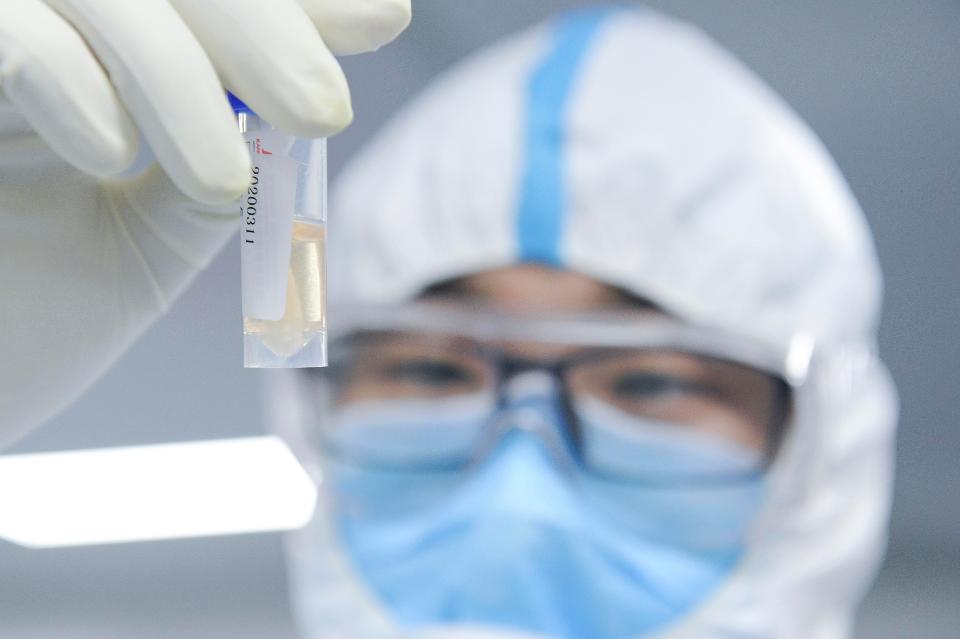
HEFEI, CHINA – MARCH 12 2020: A researcher wearing a protective suit prepares nucleic acid tests at … [+]
China News Service via Getty Images
A cocktail of several critical chemicals, called reagents, are needed for the COVID-19 tests. Laboratories have already started reporting a shortage of such chemicals. In addition to the immediate need to meet demand for the current COVID-19 crisis, as the Bio-economy starts to emerge over the decade, there will need to be affordable and sustainable chemical reagent sources.
7. Pharmaceutical Production
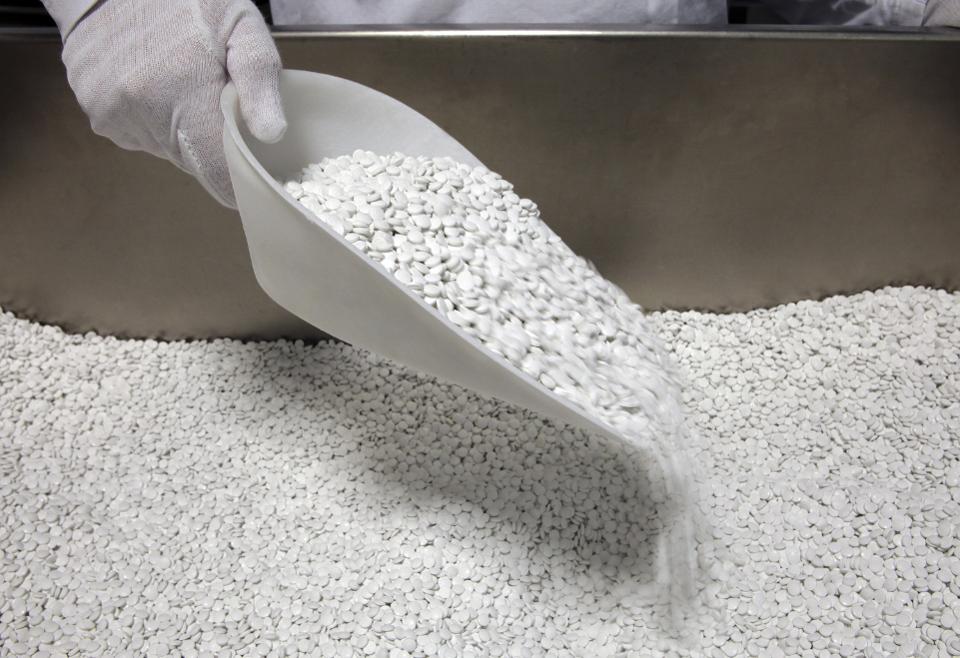
An employee scoops up tablet cores for inspection at a pharmaceutical plant in Germany. … [+]
© 2018 Bloomberg Finance LP
Some estimates are that the Pharmaceutical Industry generates over $50 billion of waste a year, with significant waste in the drug production process itself. With chemical supply chains already disrupted given the earlier COVID-19 outbreak in China where the FDA estimates 150 drugs could be facing shortages this year. Several important initiatives have tried to address drug production waste. Coming out of the COVID-19 crisis, there will be a need to radically streamline drug manufacturing processes to maximize scarce resources and ensuring a more sustainable future. This also needs to include measures to more effectively manage the disposal of pharmaceutical products that are now ending up in waterways around the world.
8. Hand-santizers and personal cleaning products
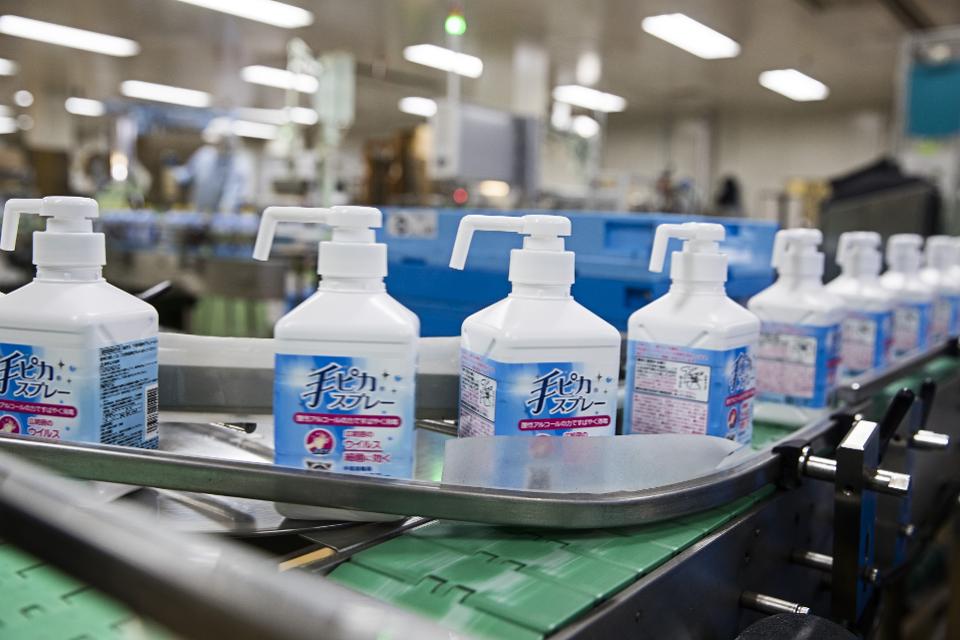
Bottles of liquid hand-sanitizer move along a conveyor belt at a Kenei Pharmaceutical Co. factory in … [+]
© 2020 Bloomberg Finance LP
In most countries in the world in recent weeks, there has been a run on soaps, hand sanitizers and cleaning products. As the shortage became apparent, alternatives were rapidly mobilized, with sugar manufacturers, breweries and perfume makers in France, Scotland, Norway and elsewhere around the world converting their operations to produce ethanol – a byproduct during sugar production and critical for hand sanitizers. The much reported shortage of toilet paper could lead to sanitation blockages if non dissolvable alternatives are used. As the world emerges from this crisis, perhaps with a greater awareness of cleanliness, there may be an opportunity for more sustainable and organic cleaning products that work with nature.
Building back better
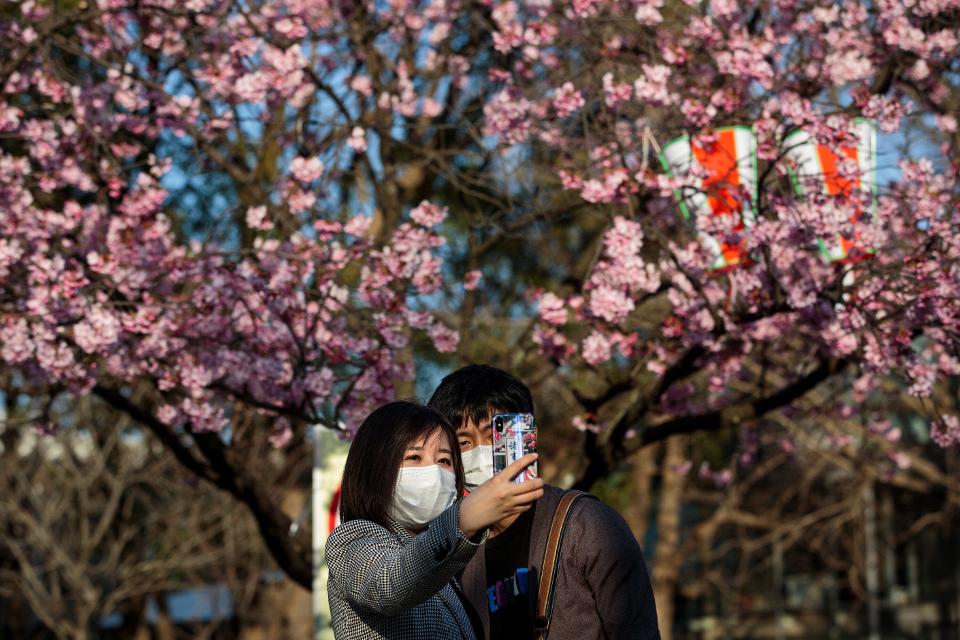
A couple take a selfie with cherry blossoms at Ueno park in the Japanese capital Tokyo on March 19, … [+]
AFP via Getty Images
The midst of the crisis is not the time to be starting a major campaign against such critical supplies. However, over the next few months, there may be many synthetic biology and alternative plastics companies who could have valuable production capacity that could be turned to help the world address this current supply chain crisis, and future Medical and Pharma Supply Chain sustainability challenges.
This may be critical to avoid a second environmental wave that could impact the world after the initial COVID-19 peak subsides.
It is critical that as the world one day emerges from this crisis, it is able to build back better.










