
• Latest
  • Trending
  • All
Maritime History Notes: Dry cargo on tankers

Maritime History Notes: Dry cargo on tankers

January 30, 2020
Last Mile Delivery Market Worth Observing Growth | UPS, FedEx, SF Express

Last Mile Delivery Market Worth Observing Growth | UPS, FedEx, SF Express

April 23, 2024
Top 5 Spend Analysis Software ranked in 2024

Top 5 Spend Analysis Software ranked in 2024

March 1, 2024
How Tesla And BMW Are Leading A Supply Chain Renaissance With Blockchain

How Tesla And BMW Are Leading A Supply Chain Renaissance With Blockchain

January 19, 2024
LATAM Cargo strengthens European cargo links

LATAM Cargo strengthens European cargo links

April 14, 2020
Ford making reusable hospital gowns from airbag materials as efforts against coronavirus expand

Ford making reusable hospital gowns from airbag materials as efforts against coronavirus expand

April 14, 2020
Don’t Sweat NBC’s Decision to Cut Back on Television Ad Inventory

Don’t Sweat NBC’s Decision to Cut Back on Television Ad Inventory

April 14, 2020
Software firms sharpen focus on AI, big data as IT spending drops

Software firms sharpen focus on AI, big data as IT spending drops

April 14, 2020
Navigating turbulent times in your supply chain (TL:DR version)

Navigating turbulent times in your supply chain (TL:DR version)

April 14, 2020
Last Mile Delivery by Drones Market is Booming Worldwide

Last Mile Delivery by Drones Market is Booming Worldwide

April 14, 2020
AIR CARGO MARKET SIZE, SHARE, DEMAND, TREND, LATEST INNOVATIONS & APPLICATION ANALYSIS AND INDUSTRY GROWTH FORECAST 2027 – Science In Me

AIR CARGO MARKET SIZE, SHARE, DEMAND, TREND, LATEST INNOVATIONS & APPLICATION ANALYSIS AND INDUSTRY GROWTH FORECAST 2027 – Science In Me

April 14, 2020
Wheat procurement in Patiala: 6,500 coupons issued to farmers – cities

Wheat procurement in Patiala: 6,500 coupons issued to farmers – cities

April 14, 2020
Pandemic, Plastics And The Continuing Quest For Sustainability

Pandemic, Plastics And The Continuing Quest For Sustainability

April 14, 2020
  • Supply Chain
  • Logistics
  • Warehousing
  • Procurement
  • Shipping
  • More
    • Strategic Sourcing
    • Spend Analysis
    • Inventory
    • Contact Us
No Result
View All Result
United States International Supply Chain Commission
Home Shipping

Maritime History Notes: Dry cargo on tankers

by usiscc
January 30, 2020
in Shipping
0
Maritime History Notes: Dry cargo on tankers
493
SHARES
1.4k
VIEWS
Share on FacebookShare on Twitter

The first oceangoing steamer designed and built to carry oil in bulk was the Belgian-flagged Vaderland, which was built in 1872. The intended service of this vessel was to carry immigrants to the U.S. and return to Europe carrying petroleum. Prior to the first voyage, however, the authorities forbade the scheme as being too dangerous. The ship was then converted to a passenger cargo liner and never carried an oil cargo.

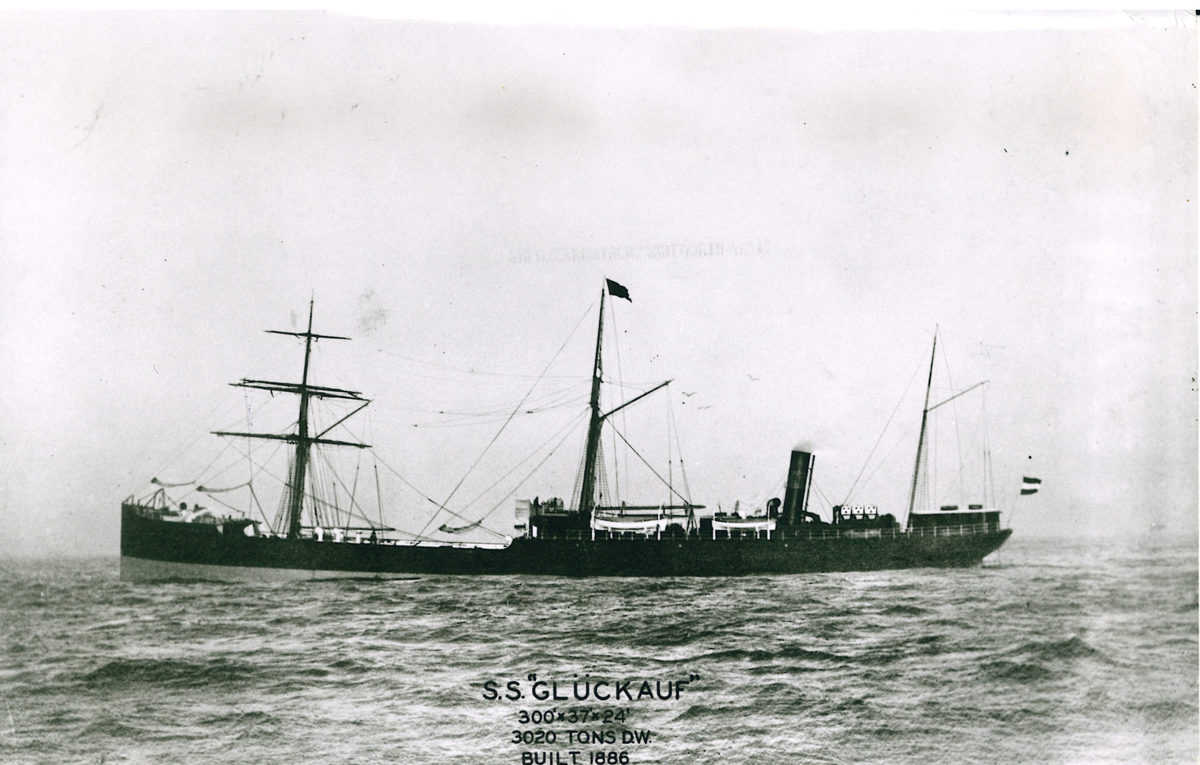
The first prototype of the modern tanker was the Gluckauf of 1886. There were, however, numerous sailing ships owned by oil companies at the time. Interestingly, one such sailing tanker remains, the Falls of Clyde, currently laid up in Honolulu.

Until recently, most tankers were fitted with a dry cargo hold, usually located near the forecastle, and included cargo booms for the loading and discharge of cargo. The hold averaged 15,000 cubic feet and was used for the carriage of barrels, cases and drums of lube oil or oil and chemical products.

Tankers have been known to enter the dry trades. In 1944, World War II was raging across the European continent. The agricultural regions were devastated and what little grain remained in the fields could not be harvested with the farmers serving as soldiers. Europe’s cities faced starvation. The Battle of the Atlantic had fully employed all the dry cargo ships.

Due to the urgency in Europe, a bold experiment was undertaken — bulk grain would be loaded into newly built tankers that had never been in the oil trades. It was decided that these vessels were to load at Canadian ports. The experiment became a success. These vessels did get safely across, although not much is known about their voyages.
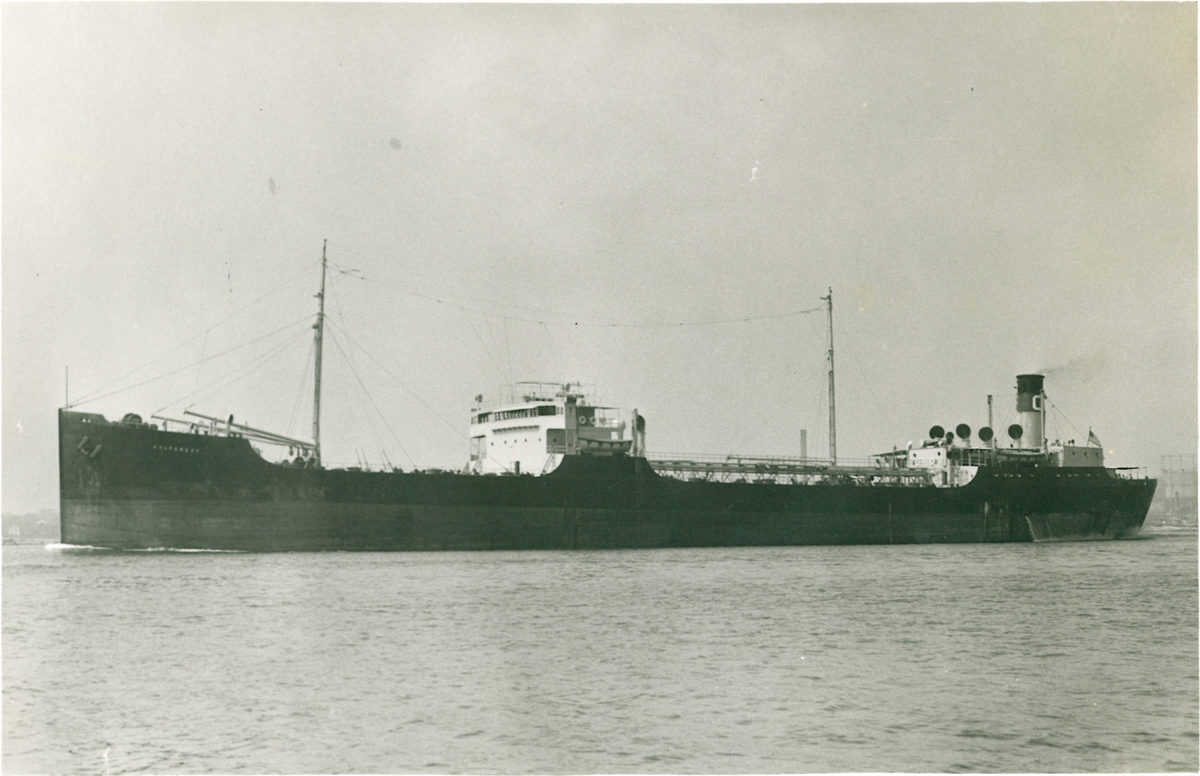
Gulfcrest was the first tanker to load a cargo of grain. Note the two cargo booms located over the dry cargo hold. [Photo Courtesy: Capt. James McNamara]

Tankers did not enter the grain trade again until 1954, when economics dictated their return. The first vessel in this trade was the 1926-built Gulfcrest, owned by the Gulf Oil Co. This vessel initially had been employed for 27 years in the carriage of crude oil around the Caribbean and U.S. East Coast.

It should be noted that in 1954, the Grain Rules from the 1948 International Convention for the Safety of Life at Sea (SOLAS) were in effect and these rules called for the installation of bins and feeders in all spaces where bulk grain was to be loaded. However, the traditional tanker had holds or tanks that were subdivided by longitudinal and transverse bulkheads that honeycombed the hull into about 30 compartments or individual tanks. Thus, it was rather impractical to attempt to fit these ships with bins and feeders.
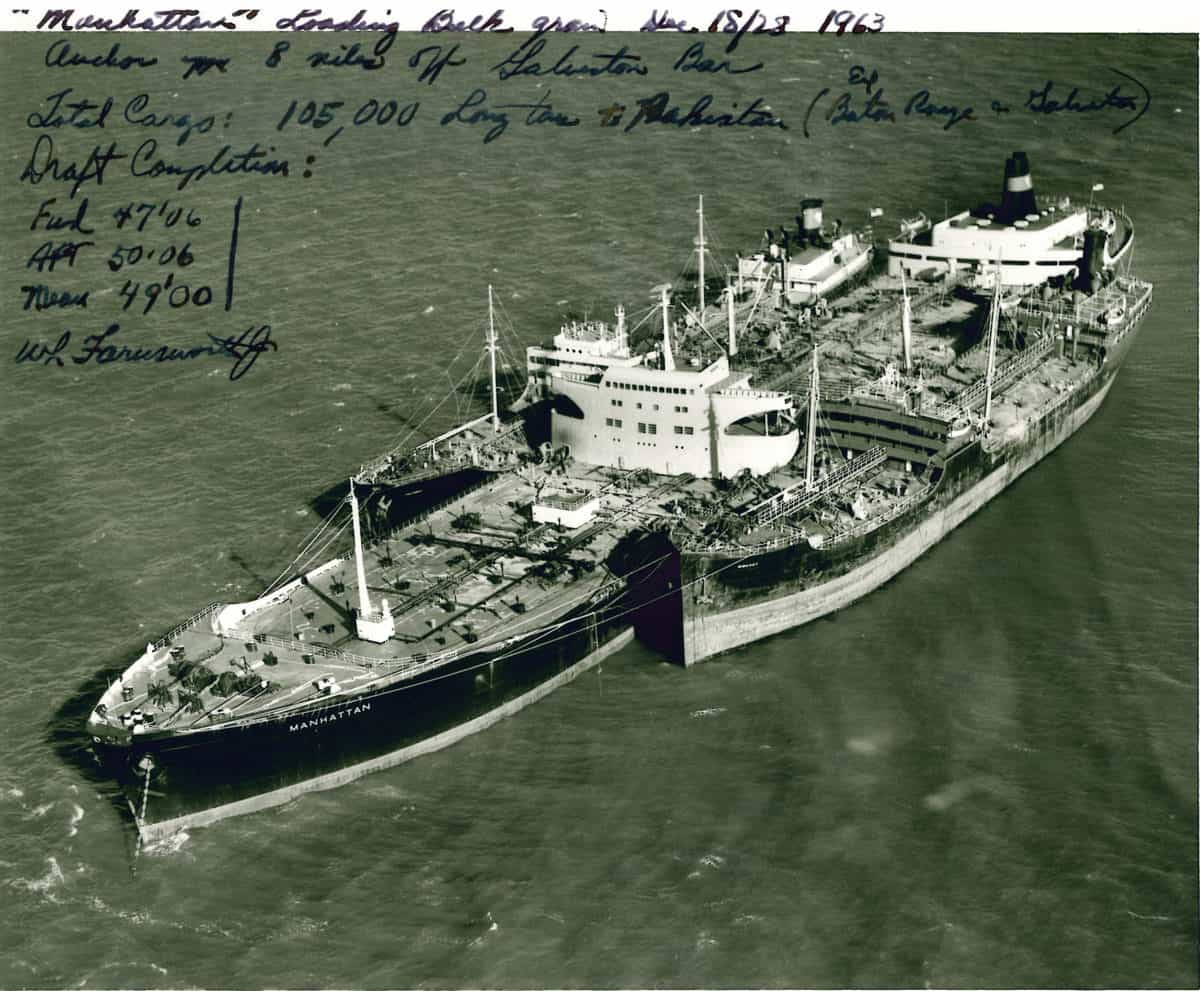
The Manhattan, after loading to its maximum draft at Baton Rouge and Galveston, anchored offshore to complete its loading of 105,000 tons of wheat from two World War II-built tankers in 1963. [Photo Courtesy: Capt. James McNamara]

On the other hand, tankships have inherent stability advantages. To accommodate the free surfaces of liquid cargoes, the longitudinal bulkheads were located to greatly reduce the transverse heeling moments. This design, therefore, similarly accommodated the potential shift of the grain, a commodity that, although it could move after stowage, was less fluid than liquid.

Thus, the first grain rules for tankers were issued in 1954 that set forth regulations on the required ship structure, fittings and cleanliness.

It should be noted that not all vessels intended to carry oil met the criteria. Structurally, this required the vessel to be subdivided by two or more suitably placed longitudinal bulkheads and not be fitted with double bottoms.

Over the years, hundreds of tankers were employed in the grain trades. Today, however, there are fewer tankers being built that can meet the criteria of the grain rules and thus fewer tankers are employed in the grain trade.
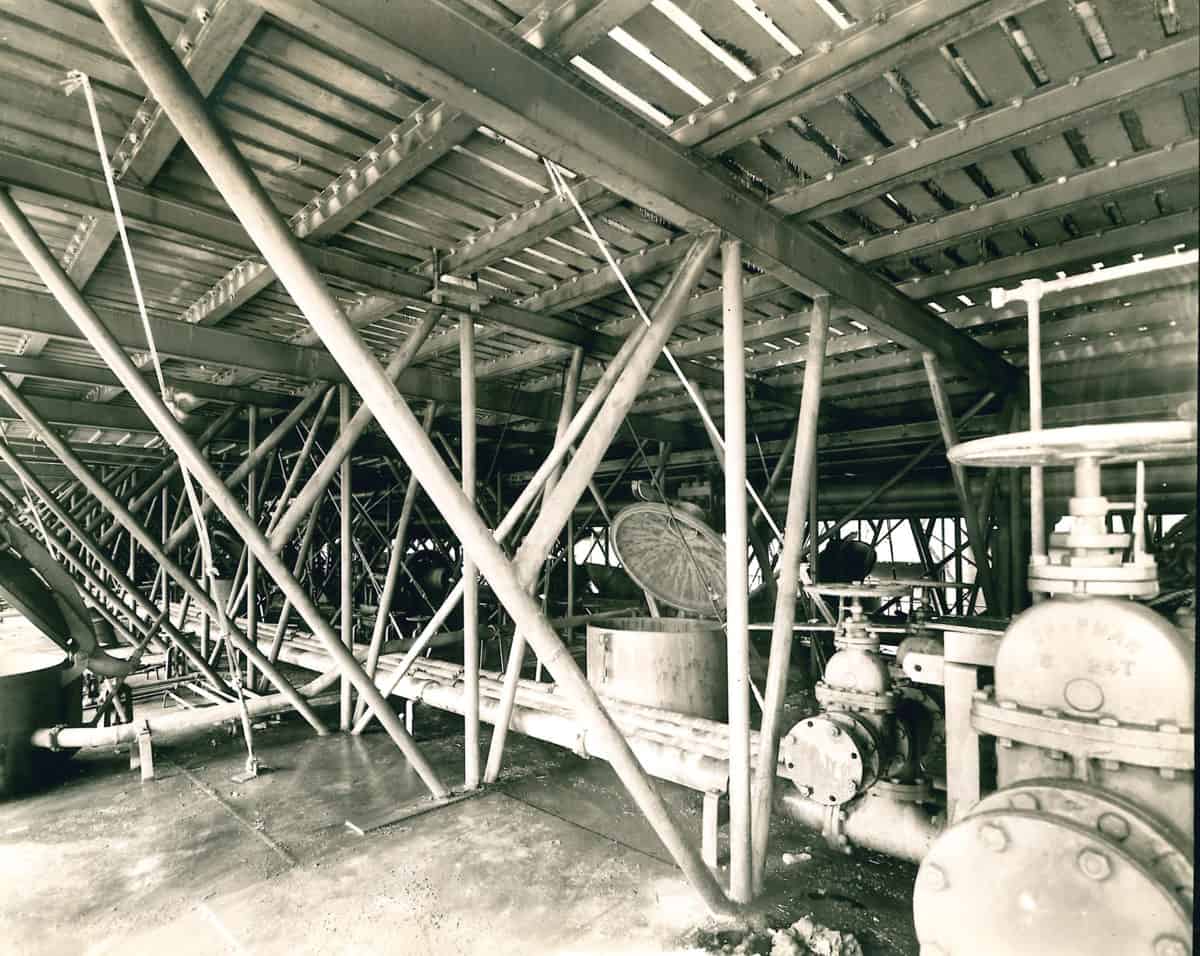
Construction of a Meccano or spar deck. [Photo Courtesy: Capt. James McNamara]

During World War II there was a great demand for sea transport, and the idea of using the open deck space of a tanker for the transportation of airplanes was developed. The wartime installations were nicknamed “Meccano decks” because they resembled Meccano toys, similar to Erector Sets. The ships, for the most part, were standard T-2 vessels that easily lent themselves to the composition of uniform steel or aluminum beams that when bolted together could be adopted to most standard tanker decks.
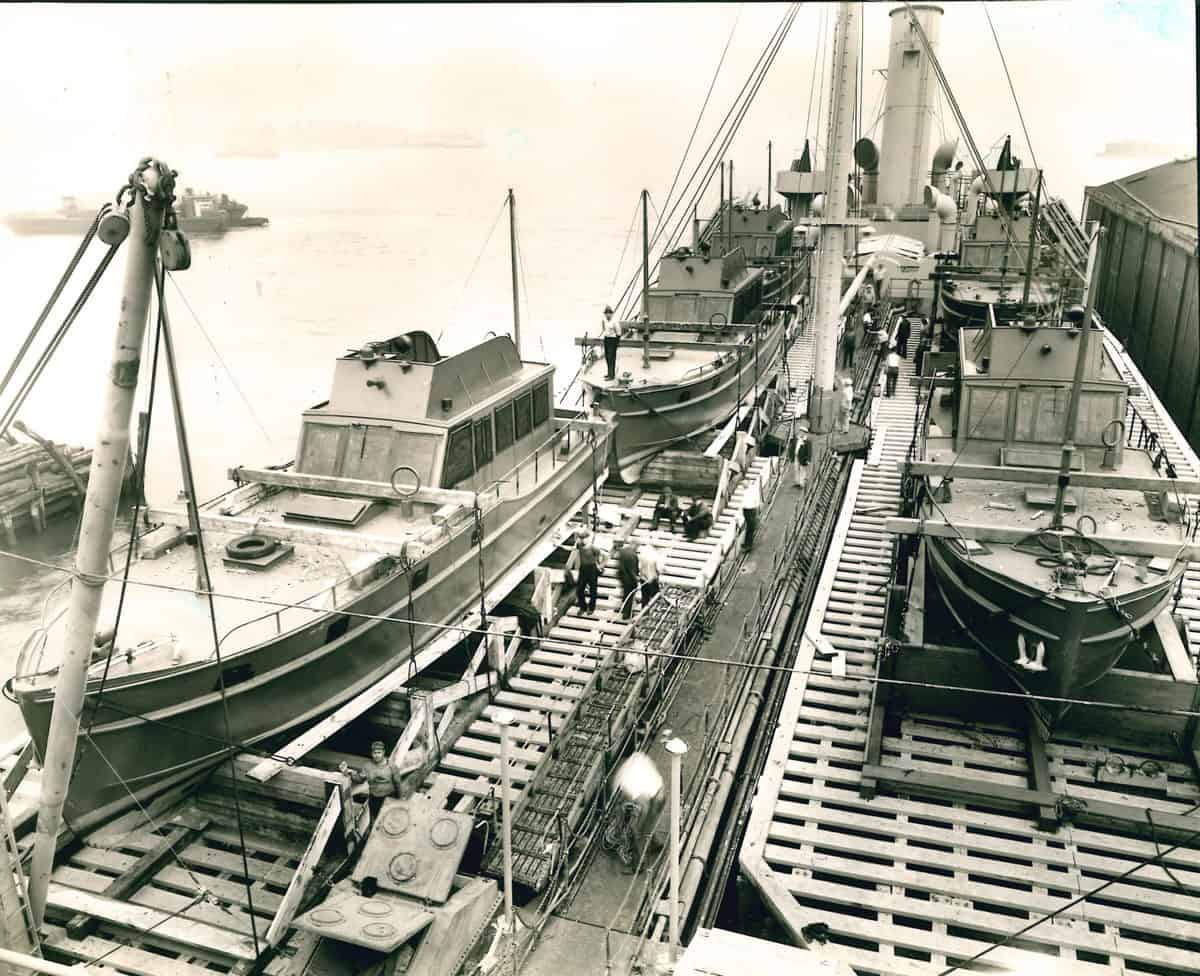
U.S. patrol boats in cradles on a spar deck in 1944. [Photo Courtesy: Capt. James McNamara]

After the war, when these tankers were turned over to private operators for civilian use, the Meccano decks were removed to eliminate topside weight, which was of no use to a private operator.


Share197Tweet123
usiscc

usiscc

  • Trending
  • Comments
  • Latest
Escape From Tarkov – How to Rotate Items

Escape From Tarkov – How to Rotate Items

February 5, 2020
Supply chain examination: Planning for vulnerabilities you can’t control

Supply chain examination: Planning for vulnerabilities you can’t control

December 7, 2019
Procurement Project Manager job with Camden London Borough Council

Procurement Project Manager job with Camden London Borough Council

February 17, 2020
Art Battle Wichita Falls III at The Warehouse, 1401 Lamar.

Art Battle Wichita Falls III at The Warehouse, 1401 Lamar.

0
Global Industry Analysis, Size, Share, Growth, Trends, and Forecasts 2016–2024 – ZMR News Reports

Global Industry Analysis, Size, Share, Growth, Trends, and Forecasts 2016–2024 – ZMR News Reports

0
PHOTOS: Ottawa firefighters respond to warehouse fire

PHOTOS: Ottawa firefighters respond to warehouse fire

0
Last Mile Delivery Market Worth Observing Growth | UPS, FedEx, SF Express

Last Mile Delivery Market Worth Observing Growth | UPS, FedEx, SF Express

April 23, 2024
Top 5 Spend Analysis Software ranked in 2024

Top 5 Spend Analysis Software ranked in 2024

March 1, 2024
How Tesla And BMW Are Leading A Supply Chain Renaissance With Blockchain

How Tesla And BMW Are Leading A Supply Chain Renaissance With Blockchain

January 19, 2024
  • Privacy Policy
  • Terms of Use
  • Disclaimer
  • DMCA
  • Contact Us

Copyright © 2024 United States International Supply Chain Commission (usiscc.org)

This website uses cookies to improve your experience. We'll assume you're ok with this, but you can opt-out if you wish. Cookie settingsACCEPT
Privacy & Cookies Policy

Privacy Overview

This website uses cookies to improve your experience while you navigate through the website. Out of these cookies, the cookies that are categorized as necessary are stored on your browser as they are essential for the working of basic functionalities of the website. We also use third-party cookies that help us analyze and understand how you use this website. These cookies will be stored in your browser only with your consent. You also have the option to opt-out of these cookies. But opting out of some of these cookies may have an effect on your browsing experience.
Necessary
Always Enabled

Necessary cookies are absolutely essential for the website to function properly. This category only includes cookies that ensures basic functionalities and security features of the website. These cookies do not store any personal information.

Non-necessary

Any cookies that may not be particularly necessary for the website to function and is used specifically to collect user personal data via analytics, ads, other embedded contents are termed as non-necessary cookies. It is mandatory to procure user consent prior to running these cookies on your website.

SAVE & ACCEPT
No Result
View All Result
  • Supply Chain
  • Logistics
  • Warehousing
  • Procurement
  • Shipping
  • More
    • Strategic Sourcing
    • Spend Analysis
    • Inventory
    • Contact Us

Copyright © 2024 United States International Supply Chain Commission (usiscc.org)