






As environmental consciousness increases, the future of pharmaceutical transport looks uncertain. Dominic Hyde discusses the impacts of these developments on air cargo and freight.
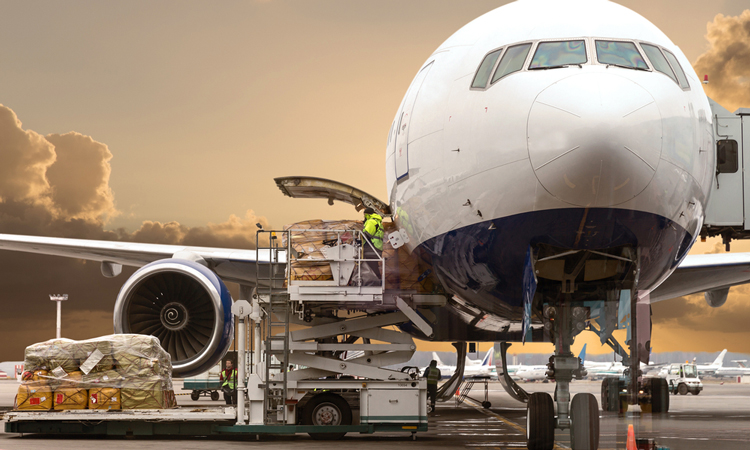
As we welcome the new decade and the exciting advances it is expected to unleash, many of the forces that shaped the past decade for transporting pharmaceuticals will continue. These include price pressures, alternatives to air freight and increasing automation. However, several emerging trends are set to make 2020 unique.
The Greta Thunberg effect — flying shame
 We cannot ignore the effect that climate change activist Greta Thunberg has had on fossil-fuel run air travel. Thunberg’s reliance on trains to travel from her home country of Sweden to other countries in Europe connected by rail has triggered a material effect on passenger numbers in Sweden. According to Bloomberg, Swedish air travel diminished in 2019 — while train travel jumped to a record level.1
What could this mean for shipping pharmaceuticals by air? As Extinction Rebellion shows no sign of slowing down, air freight carriers — like their passenger transporting counterparts — will start to feel more pressure to seek alternative fuel sources and replace older planes with more fuel-efficient models. To further address the Thunberg effect, carriers and their logistics partners will also need to elevate their brand image by demonstrating that they are adopting eco-friendly practices such as reusable or waste-stream friendly shipping containers made from recyclable materials. However, strict temperature control is a vital consideration when shipping pharmaceuticals to ensure valuable payloads arrive intact. Logistics teams therefore need to review their processes before committing to one method.
Trade pressures drive down air freight demand
After years of wrangling over the details of Brexit, the UK is departing from the EU and entering a transition period through to the end of 2020. The effects of Brexit and the fact that Germany only narrowly avoided an official recession at the end of the last decade have reduced European air freight demand. Furthermore, US tariffs aimed at four countries in retaliation over subsidies to Airbus has hit Germany especially hard.
As air freight space becomes an even more precious and dwindling resource, there are measures that can be put in place to mitigate reduced capacity”
Meanwhile, the US-China trade war began to thaw with the signing of an initial trade deal. Despite this, trading data showed the climate would have to improve significantly to combat the year-on-year 8.1 percent decline in freight tonne kilometers experienced in 2019.2 Price is the crudest and quickest tool at air freight’s disposal to address diminishing demand. However, long-term price cutting is not sustainable and in the face of continued change, air freight companies will have no choice but to take away flights from their schedules and mothball aircraft as well as cease to exercise purchasing options that did not factor in declining demand.
Diminished demand equals reduced capacity
Air freight remains the predominant mode of transportation for moving life-saving pharmaceuticals around the globe, especially for the most valuable and sensitive therapies that require strict temperature control. Sea transport, accounting for approximately 20 percent of pharmaceutical shipments,3 made gains in recent years as an alternative transport mode for non-temperature sensitive products and the return of containers after payloads have reached their destination. However, for the foreseeable future, pharmaceutical companies will remain reliant on air freight for the transportation of products that could succumb to temperature excursions.
Declining air freight and passenger demand combine to produce a double whammy for the pharmaceutical industry. As air freight space becomes an even more precious and dwindling resource, there are measures that can be put in place to mitigate reduced capacity. For example, temperature-controlled packaging systems will need to step into the foreground to reduce volumetric weight, providing higher performing insulation and phase change materials that can considerably improve volumetric efficiency.
 However, the packaging systems currently available to reduce volumetric weight are typically more expensive unless they are re-used, which cannot always be achieved efficiently for both financial and environmental reasons. The pharmaceutical packaging industry will need to look closely at the installed capabilities of aircraft to manage temperature, which could make lower-grade packaging materials more acceptable. The facilities of the aircraft will also need to be synchronised with ground conditions and reliable sourcing can be difficult in less developed regions of the world.
Pharmaceutical packaging: making the right choice
When it comes to pharmaceutical packaging, one size does not fit all — nor should it. Packaging manufacturers have broadened their product portfolios to enable the most efficient solutions to be selected, qualified and deployed on a lane-by-lane basis across truly global supply chains. Making the right selections and performing the necessary qualifications can be daunting, but this is the challenge we face to deliver value and make responsible use of dwindling resources such as global air freight capacity.
The good news is that cold chain consultants have the tools and resources to streamline this new approach. Packaging products have been engineered and tested to incorporate operational consistency and simplicity that might otherwise make them too complex to deploy. Networks and services have also been developed and utilised to enable the efficient and reliable outsourcing of operations.
About the author
Dominic Hyde is the Vice President of Crēdo on Demand at Peli BioThermal. He has worked in the global cold chain logistics field for 17 years, developing worldwide rental programmes for transport of temperature controlled pharmaceuticals. Dominic has an engineering background and originally studied Software Engineering and then Systems Engineering before starting his career in defense avionics and cockpit systems.
References
- As ‘Flying Shame’ Grips Sweden, SAS Ups Stakes in Climate Battle, Bloomberg, April 14, 2019.
- Air Cargo Demand Continues Negative 2019 Trend, International Air Transport Association (IATA), May 29, 2019.
- Will Ocean Freight Be the Dominant Mode of Transport for Pharma Payloads?, Pharma Logistics IQ, July 12, 2018










