







Communities large and small have been trying to deal with their own garbage since the dawn of civilization. The first municipal waste dump in the Western world is credited to Athens in the 5th century BC, and that’s the solution nearly every community takes, at least for starters. We’ve spent the last two weeks looking at solid waste management across this state, and while methods and incentives have differed over the decades, experts in the field are coming to one conclusion.
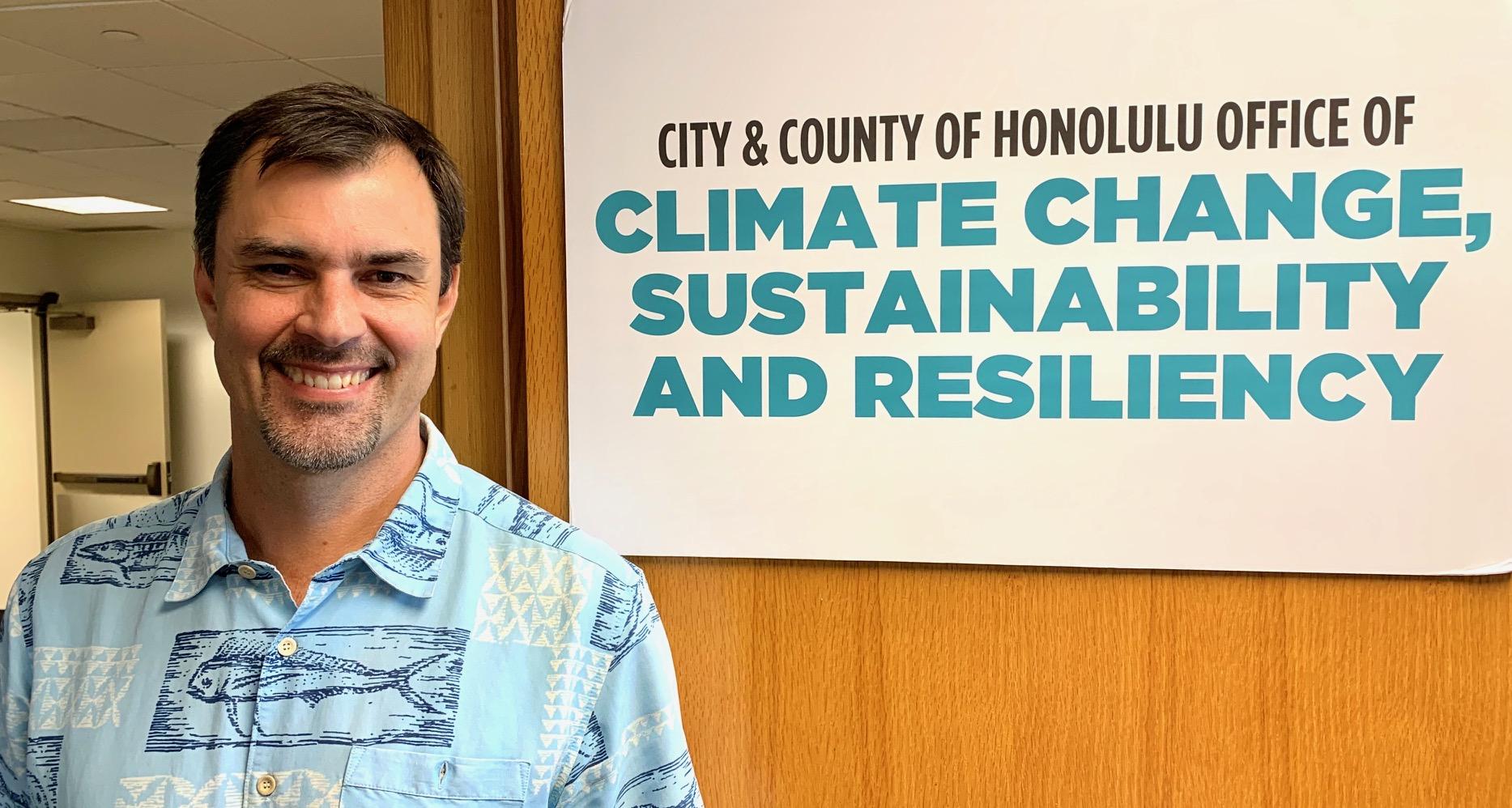
“I think what’s important is that, a throw away society doesn’t work at any level,” says Josh Stanbro, Chief Resilience Officer for the City and County of Honolulu. Honolulu trash is tied to resilience, because we burn trash for about 6% of O‘ahu’s energy needs.
”I think we’ve done a really good job on this island trying to minimize the amount of land fill, the amount of oil we bring in, the amount of viable recyclable materials we’re able to move out, but it’s getting harder and harder.”
Recycling is getting harder, but trash is increasing, and burning trash is as easy as ever. Some say having an incinerator cuts the need for recycling, especially when, like Honolulu, you have to pay because you don’t have enough trash. Currently, garbage to energy is classified as renewable by the federal government, but is it clean?

Nicole Chatterson, Director of Zero Waste O‘ahu, says her research shows it’s not.
“When you look at the numbers, and these are all publicly available through the Environmental Protection Agency’s website, what you see is that per megawatt hour, which is a unit of energy, H-Power is emitting more carbon dioxide than our largest oil plant here which is Kahe. Should we be replacing oil with a unit of trash energy? I would say no.”
Is it fair to include garbage to energy in a clean energy portfolio? Absolutely, says Stanbro, he maintains H-Power is a better choice now than coal or oil.
“We’ve got to get rid of coal first, we get rid of oil next, now we’ll get to a point where we need to take a look at H-Power and say what are the carbon emissions? We need to get to a place where we are completely carbon neutral in 2045, that’s state law.”
Solid waste expert Jordan Howell concurs that H-Power works, for the moment. Howell is Associate Professor and Program Coordinator for Environmental & Sustainability Studies at Rowan University in New Jersey. He’s also Co-Director and Affiliate Professor at the Rowan Center for Responsible Leadership and has just completed a study on Honolulu’s H-Power project.
Howell has been studying solid waste systems in Hawaii since 2011, focusing on Maui and most recently, on H-Power. He says the best waste management solutions meet community needs and reflect how the community sees its relationship with the environment.
“One of the things that came to my mind from all this research on garbage in Hawai‘i,” says Howell, “Is that there’s never going to be a one size fits all strategy for dealing with garbage. It really has to have a community or government (involvement), somebody has to have a deliberate discussion about, What kind of place are we? How do we relate to the environment?”
How do we relate to the environment? There’s a growing realization that everything on earth is part of an interrelated system, the idea is that earth is a circular economy. In a world where natural systems fed each other, nature had designed out waste. Then, we invented plastics–you see the recycling issues now, it’s something that we can’t repurpose, or get rid of. They’re a dead end.
Rafael Bergstrom, executive director of Sustainable Coastlines Hawai‘i was also a co-founder of Zero Waste O‘ahu. He points out that plastic is really another form of oil.
“And if it does escape into the environment or end up in a landfill,” says Bergstrom, “Plastics are degrading. A recent study by UH Mānoa on beaches in Hawai‘i and elsewhere (shows) when plastics interact with sunlight, they’re actually off-gassing methane.”
Plastics account for 9.8% of O’ahu’s waste stream. “Recycling” plastic has been a feel good activity for the eco-conscious for decades, though only about 9% of the world’s plastic has ever been recycled, according to a 2017 report in the peer-reviewed journal, Science Advances. In 2018, Sweden, the home of eco activist Greta Thunberg, made circular economy a key governing policy. If you’re looking for what policies encourage a circular economy, the Swedes retooled the tax code to encourage repairs and clothing recycling.
Solid waste expert Jordan Howell notes that unlike the U.S., countries like Sweden and Germany don’t wait for business to figure out a market solution.
“You would think waste management infrastructure would be attractive for private investment because it’s a really reliable income stream, but for some reason it seems like it’s really difficult to attract investment capital for new waste management projects in the U.S.”
Countries like Sweden and Germany actively invest in waste management, enabling initiatives like coordinating industries in an area for circular reuse of materials.
With the breakdown in the global recycling market, municipal governments are getting into the game, hoping manufacturers will figure out how to complete the reuse circle. Honolulu has a request for proposals out now, Stanbro says, Honolulu needs a way to use those wine and beer bottles—as sand, as construction material maybe? Kaua‘i’s mayor has put out a similar call for repurposing enterprises on that island. If businesses can’t find a way to make money, government, meaning all of us, will have to pay to recycle or repurpose.
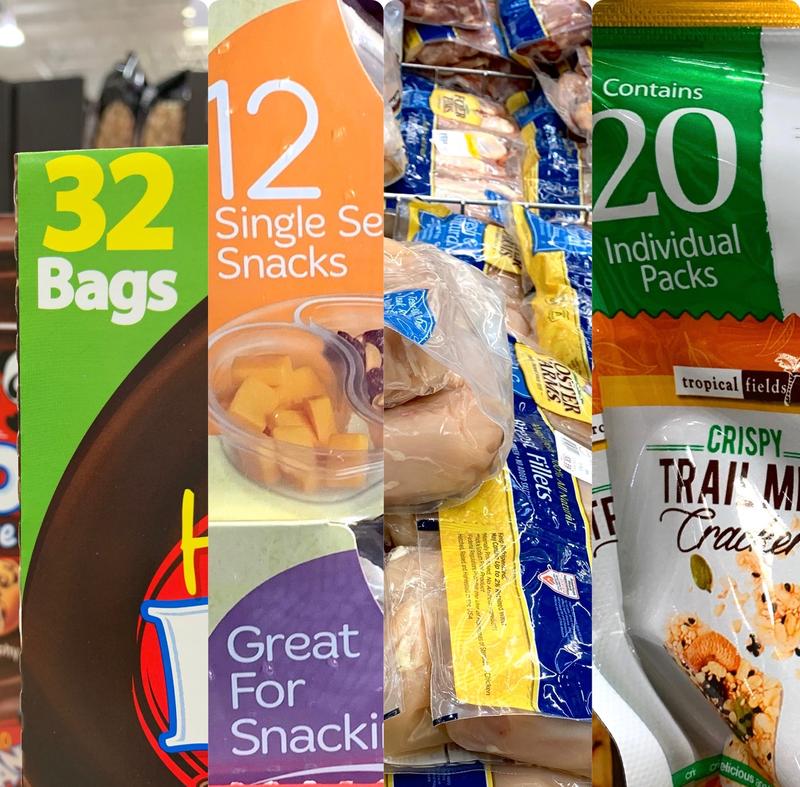
Reducing remains the top priority. Stanbro calls Honolulu’s recent plastics ban “the most ambitious and comprehensive plastics ban in the country.” O‘‘ahu’s Bill 40 actually comes on the heels of similar bans on Kauai, Maui and Hawaii Island. Single use plastics, packaging plastics that go directly into the trash, stand out as some of the worst offenders not just in Hawai‘i.
South Korea saw its garbage per capita increase seven fold between 1970 and 1990. In 1995 they introduced a Volume Based Waste Fee System (Pay As You Throw) and made recycling free. That suppressed garbage and encouraged less packaging. Twenty years later, they instituted a digital food waste ID system where you were billed according to weight. In Seoul, they also banished most public trash bins. Cheaters are curbed by a reward system for reporting your neighbors.
Again, every trash system is a reflection of its community.
“There might be some people out there who say, I already bring my own bag, I already bring my own water bottle, how do I help transition our whole society?” says Bergstrom. “If you’re on that level where you’re ready to use your voice in a new way, there are so many opportunities, from your local neighborhood board, to the city council, to the state legislature all the way to the federal level. There are ways to use your voice and get into that governance side of things, and help create policy, and not be afraid of it.”
“Sometimes we can’t be perfect because the options aren’t there to be perfect,” says Bergstrom. “We need policy to come in sometimes and control the system in a way that’s effective for all of us to make these positive changes. That happens when we all stand up and work collectively together.”
Stanbro hails Hawai‘i’s potent mix of scientists and researchers working toward waste reduction and resilience, combined with a native culture of respecting the land, aloha aina.
“It’s that mix of place based passion and willingness to fight for a place and fight to make it right, and the expertise to navigate how to put together solutions that are the right fit.”
“We’re as close, probably, as anybody on the planet, in terms of our value system, in terms of what we want to see,” Stanbro continues, “Now can we take our island values both around natural resources and around social cohesion and respecting each other as neighbors, and find a way to build an infrastructure that truly lets us be sovereign and sustainable and not rely on outside entities for our own survival?”
Good question.










