






The global warehouse automation market is estimated to double by 2025, which means more of your competition will be exploring, and investing in, automated warehouse solutions. If they haven’t already, warehouse companies and executives will soon have to decide if (and how) to incorporate warehouse automation and robotics into their own daily operations if they want to remain competitive.
However, with new technology comes new hurdles and new unexpected issues to resolve. While automation and robotics are ultimately implemented to make your operations more streamlined, accurate and efficient, there will always be the chance that it causes issues and downtime if not implemented and maintained properly. Many companies have felt the effects of a less-than-perfectly planned automation implementation strategy, such as online retail giant ASOS. A glitch in their automated warehouse management system caused a backlog of product that cost the company upwards of $31 million.
So, while some data-based IT issues and some downtime will inevitably occur down the line, there are many steps you can take before or during your search for the right automation solutions for your operation that will help you identify potential, and altogether avoid, automation downtime.
1. Make a Map
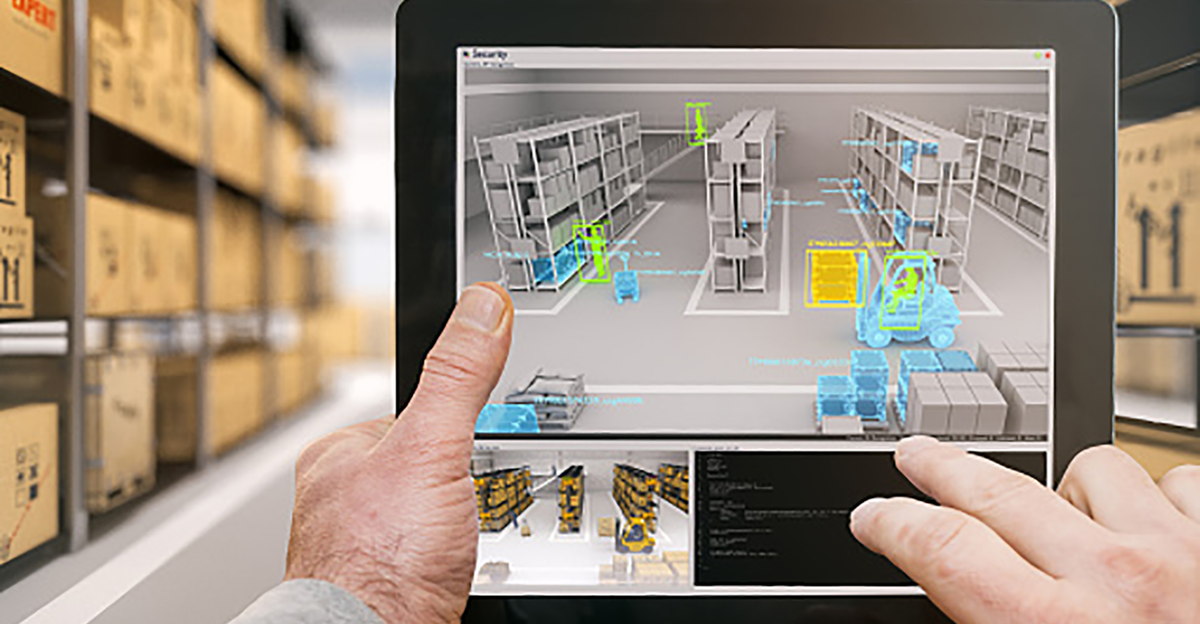
A popular trend in warehouse automation is the incorporation of automated guided vehicles (AGVs). These machines vary in size, shape and function, but they mostly all rely on an accurate map of their environment from a warehouse management system (WMS) in order to function properly and safely.
Be sure your warehouse location map is up-to-date when adding automated solutions that will rely on it for guidance on where to find everything it needs and the quickest route to get there. It would be a huge oversight to implement AGV’s into your operation without first identifying, mapping and uploading the product shelving positions, travel paths and work areas you expect the AGVs to navigate.
2. Organize Data with Digital Transformation Technologies before Moving to Automation
Most automation processes and machinery rely on digital data. Any silos of manual data processing should be identified and run through a digital transformation before expecting your automation solutions to run smoothly while using it.
Similarly, if you have multiple programs with different information stored within each, take the time to explore ways you could consolidate and organize all of your data and software before linking it up to an automated process. The easier it is to view, collect and update data being sent to your automated warehouse solutions, the less downtime you can expect due to missing, inaccurate or inaccessible data.
3. Implement at the Right Time
Keeping timing in mind when exploring warehouse automation implementation is an important factor in avoiding issues and downtime that can cost your warehouse time and money. Even those who do not work in a warehouse know that there are busy seasons when it comes to fulfilling orders, especially for e-commerce. Right before an anticipated holiday rush is NOT the time to launch your new automated processes. As ASOS learned earlier this year, automation glitches can, among other issues, cause inventory backups that will affect business and sales for months.
Ensure that the right team members are in-house and available to help execute a smooth automation launch, because the last thing you want is your team to be over-loaded not only with busy-season order fulfillment but also with learning about, and adjusting to, new automated processes.
4. Optimize Your Process
Oftentimes it is too easy to ignore inefficiencies or redundancies in warehouse processes because of reasons like “that’s the way it’s always been done” or “it’s just the way we do it.” If you are looking into, or are currently in, the process of incorporating automation into your warehouse, consider taking a deep dive into each step of your operation and flagging anything that seems redundant, out of place, inefficient, or even unnecessary.
This is also a great opportunity to involve your entire team in the automation process. Not only will they feel valued by being asked for their insight on the day-to-day operations, but they will also feel better prepared to work alongside the automated solutions that will be incorporated into the process.
5. Clean and Organize Your Warehouse
As the saying goes, “A clean warehouse is a happy warehouse.” Clean and organized is what your warehouse should be before expecting robotic solutions, like automated pickers, to move safely and efficiently through the environment.
Lee House, vice president of software solution provider I.B.I.S. Inc., suggests allocating 1-2 hours per week to basic warehouse cleanup to increase efficiency. Doing this could also increase the ability of your automated and robotic systems to work efficiently without running into unexpected product, materials, or trash. Also, take the time to optimize your warehouse storage systems so you’re setting your automated processes up for success with the most efficient and logical layout for your needs.
6. Invest in Efficient Energy
If you’re investing in automated vehicles, you’ll want to ensure you’re getting the most work out of them each day, and choosing lithium ion forklift batteries is a small but significant way to reduce the downtime these machines typically require.
While it’s true that lithium ion batteries do not hold a charge for as long as lead-acid batteries, they charge much faster (in as little as 1.5 hours), have an overall lifespan that is 2-3 times longer than its lead-acid cousin, eliminating the need to take up warehouse space for a well-ventilated “battery room,” and reduces the risk of downtime caused by hazardous acid spills.
7. Audit and Adjust Your Systems and Processes Regularly
Having a thorough understanding of how your warehouse is running is imperative to preventing downtime, with or without automated warehouse solutions in place. What was working smoothly last year may no longer be ideal for your inventory or team this year, so putting a priority on regular audits to ensure that your processes, software, machinery and warehouse layout are still optimized to meet your needs will help you identify small issues or inefficiencies before they grow so large that they require downtime to get back on track.
8. Train Your Team
Neglecting to train the team of people who will be working with your new automated solutions every day will surely result in surprise downtime. Most automation in warehousing today is built to work in tandem with human workers to increase efficiency, not to replace human labor completely. By empowering and educating your team before implementation, they will view automation as a tool that helps them do their job more easily and efficiently, rather than something that is getting in the way of them executing their job in the way they are used to or think it needs to be done.
On top of this, automated systems will need maintenance and a human hand to continue to run efficiently and safely, so having human employees who are educated on and responsible for the maintenance and care of these machines from the beginning will greatly decrease your chance of downtime should something go wrong or need repair.
9. Invest in an Inventory Management System
In order for automation to be successful in a warehouse, your systems need accurate data to work off of (see point #2). Accurate data is one of the most make-or-break pieces of the automation puzzle and has one of the highest potentials for failure (especially considering retail inventory is found to be accurate only 63% of the time).
On top of an investment in picking technologies that aid in quicker and more accurate picking (like RFID scanners), investing in the right inventory management system can help make the road to automation smoother.
10. Designate and Engage Project Leaders before, during and after Automation Implementation
In the early 2000s, UK supermarket chain Sainsbury’s experienced a warehouse automation failure in the form of errors in barcode reading processes that were implemented by a third-party IT company. Some studies blame Sainsbury management as the cause of the eventual automation failure, claiming that they had such a lack of involvement with monitoring and evaluating the project that it caused it to fail to meet its objective. In addition, it has been suggested that a lack of communication and understanding of the business and IT risks also led to the failure.
To avoid this in your own journey into warehouse automation implementation, be sure that you have chosen a specific team of employees who will be communicating with your third-party providers when implementing automation. Frequent updates to the progress of the project and testing of the proposed systems should be part of the project timeline. Identifying potential issues before implementation and kickoff of any automation project is key to avoiding issues down the line.
Be sure that the point person on your team understands the goals and ultimate outcome your business would like to achieve with automation implementation so they can talk to your vendors and IT team to ensure everything that you set up will work towards that goal and issues and snags can be worked out before implementation goes live.
Robotics and automation seems to be where the future of the warehouse industry is headed for the foreseeable future, and they bring many means of cost savings, increased safety and improved efficiency to any operation. Understanding automation, its capabilities, limitations and every piece of its process and logic is imperative to implementing it properly. Do your homework and prepare your warehouse in as many ways as you can before hitting that automation “on” switch.
Evan Hammersley is the warehouse automation and robotics product manager for NITCO, a provider of material handling equipment and services.










