







Zero Waste in Architecture: Rethink, Reduce, Reuse and Recycle
Human economic activities are naturally dependent on the global ecosystem, and possibilities for economic growth may be limited by the lack of raw materials to supply factory and trade stocks. While for some resources there are still untapped stocks, such as certain metals and minerals, there are others, such as fossil fuels and even water, with serious availability issues in many locations.
It’s undeniable that the construction industry has a significant impact on the planet. Enormous amounts of resources, materials, water, and energy are exploited, processed, and consumed for the execution of a work and limited to the useful life of buildings. The International Construction Council (Conseil International du Bâtiment – CIB) points out that civil construction is the human sector that consumes the most natural resources and uses energy intensively. This impact is exacerbated by inefficient production processes, considerable displacement of supplies, and excessive waste during various other stages of construction. There are many issues to tackle to make our world more sustainable and efficient. But what is within our reach as architects?
It is true that humanity can no longer exploit environmental resources as if they were infinite and, above all, must stop generating so much waste. Becoming more resource efficient is a way toward sustainable economic growth. That means less demand for resources and energy as well as reduced waste generation. It’s always wise to think that when speaking of our planet, there is nothing that should be ‘thrown away’. This mantra problematizes statistics showing that in Brazil, for example, construction waste represents 50% to 70% of the total waste generated.
The concept of the Circular Economy seeks to change this paradigm. It is inspired by natural mechanisms that work in a continuous process of production, resorption, and recycling, self-managing and regulating themselves naturally, where waste is the input for the production of new products. Unlike linear economics, where a product is created, used, and then becomes waste, in a circular economy it returns to the production process. This is how the relationship between economic growth and increased consumption of natural resources can be broken through more efficient, intelligent, and sustainable processes.
In short, the circular economy pertains to the maximum utilization and correct disposal of recyclable and organic waste, as well as the reduction (or even cessation) of the disposal of these materials to landfills. Also, and very importantly, it requires increasing efficiency and developing new business models. It seeks to reduce inefficiencies throughout the product life cycle, from raw material extraction to utilization, through more efficient resource management, maximizing product life, and minimizing or ending waste generation.
Along the same vein, the concept of Zero Waste is already being approached by cities, events, companies, and others. According to ZWIA (Zero Waste International Alliance), Zero Waste is “an ethical, economical, efficient, and visionary goal to guide people to change their practices and ways of life to encourage sustainable natural cycles where all materials are designed to enable recovery and post-consumer use.” Rethink, Reuse, Reduce, and ultimately Recycle. It is these 4 R’s that embody the concept, and which may be applicable to the running of a house, a city, a building, a country, and so on. Of course, they are applicable to projects and constructions as well:
Rethink is about changing how you think about things. Break paradigms, include new materials and solutions, and reconsider precedent. This category can range from rethinking merely aesthetic design decisions and minor luxuries to investing in more sustainable practices that can impact the life of the building. These practices may include working with more local materials, seeking to understand the most diverse design constraints, and finally making better, more informed decisions.
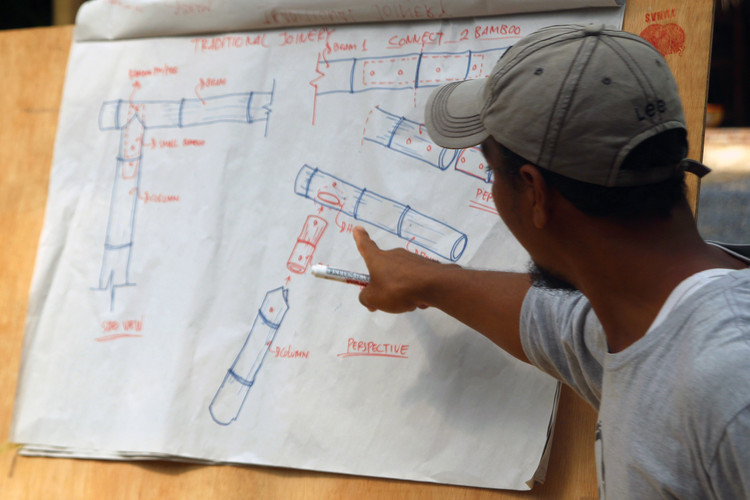
The idea of Reducing can also be highly complex. It can mean decreasing the amount of concrete in a structure by consciously resizing it, or designing for lightweight systems that use less raw materials and fewer resources rather than heavy, dense structures. It can also mean decreasing waste generation at the site by opting for dry building systems. Reducing may be particularly effective when the need for cooling or heating is eliminated by correctly specifying materials, or the carbon footprint is significantly decreased by utilizing a material produced closer to the job site. Thinking about the entire life of the material is also essential. How does it age, what is its best destination after its useful life is over? Therefore, considering longer lasting materials can be a wise decision.
But this issue of reduction may need to be applied to our cities as well. In fact, if we think of a more sustainable world, it needs to go through cities, where more than half of the world’s population lives and where more than 80% of all the world’s energy is consumed. In this sense, reduction may refer to the size of urban space, since compact cities concentrate diversity, opportunity, knowledge and culture, optimizing the infrastructure connected by efficient transport systems.
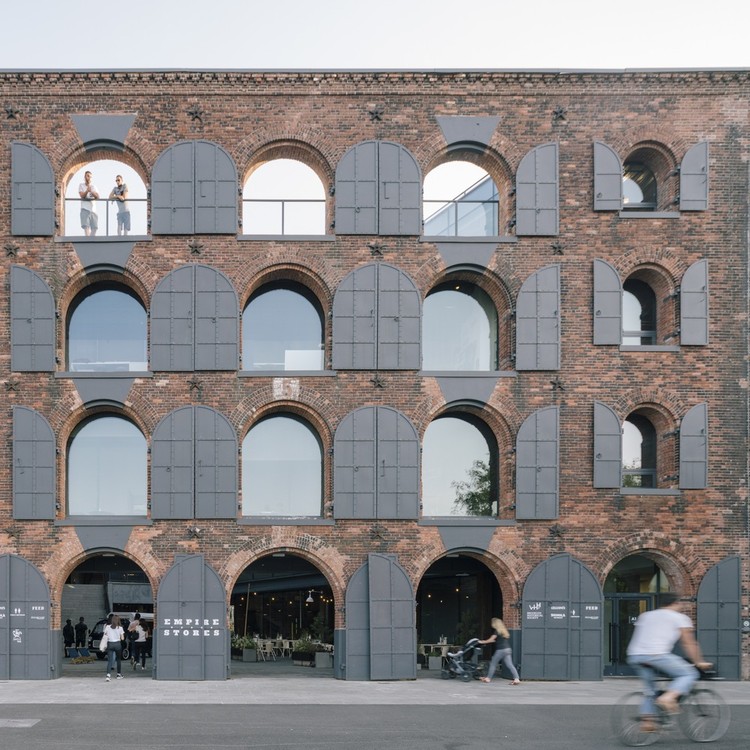
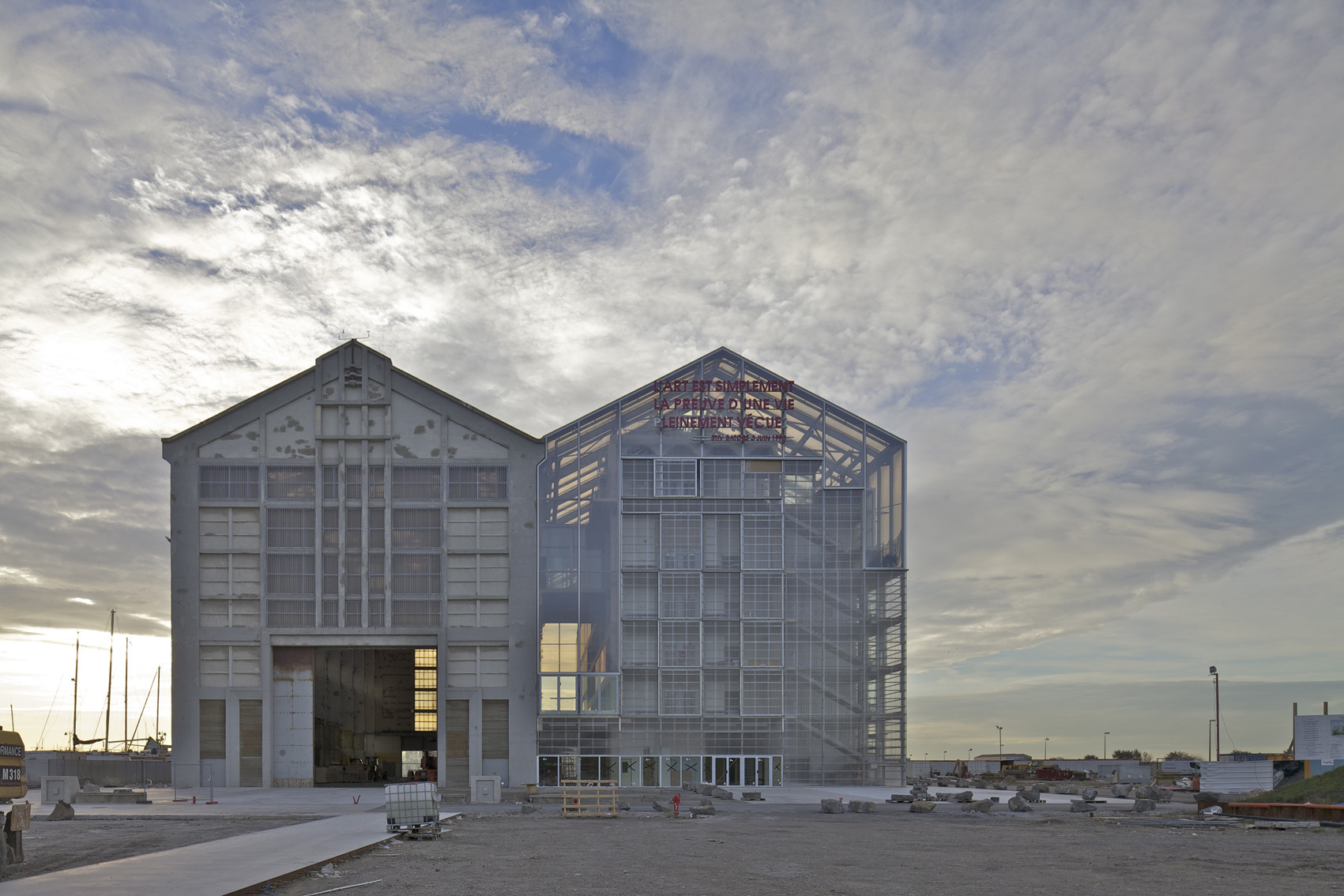
Reuse can be addressed in the reuse of materials such as solid wood or even structural steel parts, coatings, glass, partition walls, etc. It can also refer to the reuse of buildings for new purposes: transforming factories to offices, hotels to dwellings, and so on. Before demolishing and directing tons of rubble to landfills, and then beginning a construction from scratch, the existing structure should be considered for reuse. We have focused a lot on this theme in recent years. As architects, during the design stage it is also possible to create buildings that can have greater flexibility for all stages of their useful life, with varying uses. Usually a free plan can be compartmentalized in the most convenient way for a particular use. Working with intelligent modularity is also something that will never go out of style. This way, even electrical and hydraulic installations can be designed to allow specific possibilities.
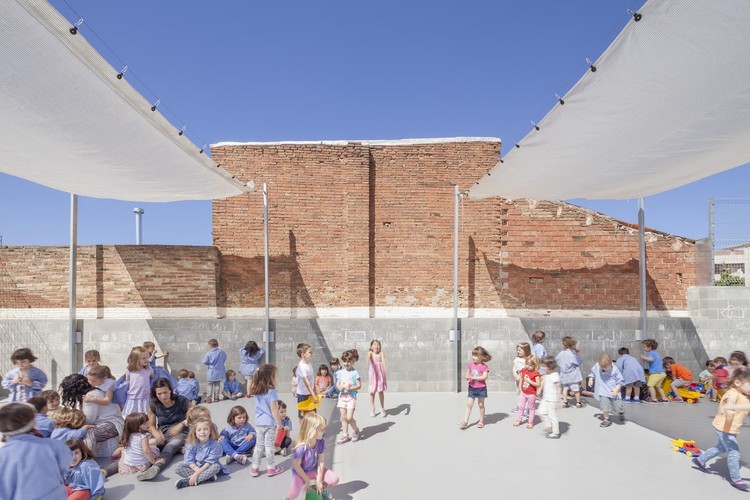
Recycling is the last of the R’s, but not the least. It is about harnessing waste to create another product, which may have different or similar characteristics and uses. This prevents materials from being discarded and overloading landfills, disrupting their cycle. If we think of our cities and their huge stock of buildings already built and in need of improvement, we can imagine the potential for reuse of materials in these structures, masonry, closures, etc. There is already a name for this concept: Urban Mining. Instead of exploiting natural resources, and with the support of technology, “Urban mining is a term that symbolizes the city of tomorrow. It links a broad perspective to the creative impulse and this must be particularly emphasized with useful and scalable tools that already exist. These include those for quantifying secondary raw materials, recovery and recycling techniques, digitizing recycling patterns into structural information, profitability analyzes, and business sectors, such as those that process and retrieve valuable materials. ”[1]
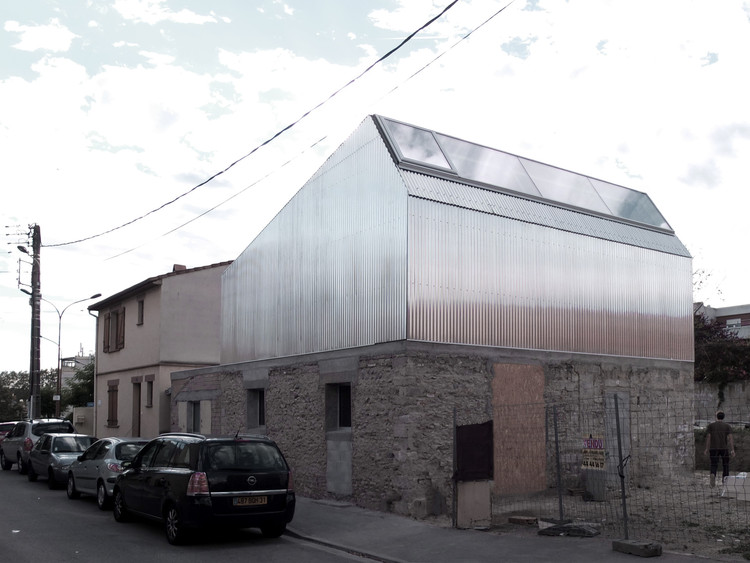
Flexibility and material reuse are key aspects of sustainability. The construction industry must and is already changing to adapt to the needs of new times. Rather than being a backward industry, high-consuming and dependent on increasingly scarce natural resources, it has the power to become a vector of change that will impact many other fields. With more than half of the world’s population living in cities, this future will inevitably depend on the recovery and recycling of “urban ecosystem” building materials and a greater awareness of our impact of every action we take. Therefore, in addition to thinking about and building high-performance sustainable buildings, it is essential to take into account expectations and concerns, and especially to involve people in the processes.
References
[1] Hillebrandt, Annette; Riegler-Floors, Petra; Rosen, Anja; Seggewies, Johanna-Katharina. Manual of Recycling: Building as Sources of Materials. Edition Detail. 2019











